Does a Sunflower Turn with the Sun
Ziad Antar
15 June 2024 — 27 July 2024 76 Avenue B, New York, NY 10009
Does a Sunflower Turn with the Sun?
Ziad Antar
3 May – 7 July 2024
Ziad Antar is a visual artist and filmmaker known for his experimental use of photography and video beyond their traditional documentary nature. By employing unconventional materials like expired film and cameras without lenses, Antar emphasizes the medium's unpredictability and ephemerality, inviting viewers to contemplate the transient nature of existence. Exploring the intersection of expressive mediums and everyday iconographies, his work presents visual narratives in tension between historical legacies, personal experiences, and collective memory.
In his latest project, Antar navigates the intersection of personal and national history through the lens of the sunflower. He recalls: “When I lived in Saida as a child, it wasn't safe to roam the streets freely. Instead, I would gather with my neighbors on the stairs of our building to play. An adult would suddenly appear with a bag filled with sunflower seeds, a very common snack in Lebanon, which we would eat with great joy. Before going to bed, we were asked to collect the shells scattered on the floor. It was our playground”. Through his training as an agricultural engineer, Antar later discovered the flower's conflicted colonial and neocolonial history mirroring the country's intricate geopolitical and socio-economic landscape.
During the Lebanese Civil War (1975-1990), economic instability, poverty, and unemployment pushed rural communities to turn to illicit cultivation of cannabis and poppy for survival during the conflict. After the war, international organizations pressured the government to replace illicit crops with legal alternatives, proposing sunflowers as a viable option. However, sunflowers require specific conditions for optimal growth, which were not readily available in Lebanon's mountainous regions where cannabis thrived. The failure of the sunflower project is a reflection on the Lebanese economic vulnerability and export dependency. It reveals the violence and oppression hidden in its symbolic image, while representing the paradoxical nature of human existence, situated between past and future, war and peace, beauty and violence.
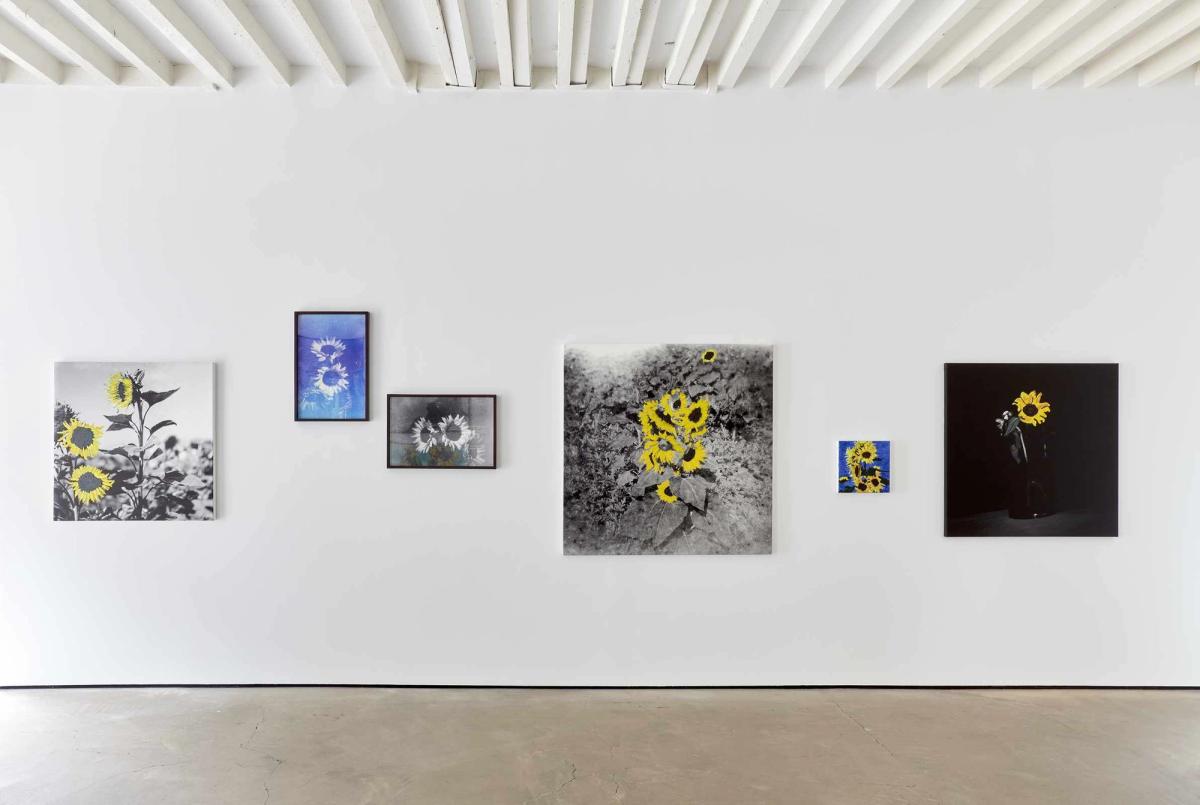
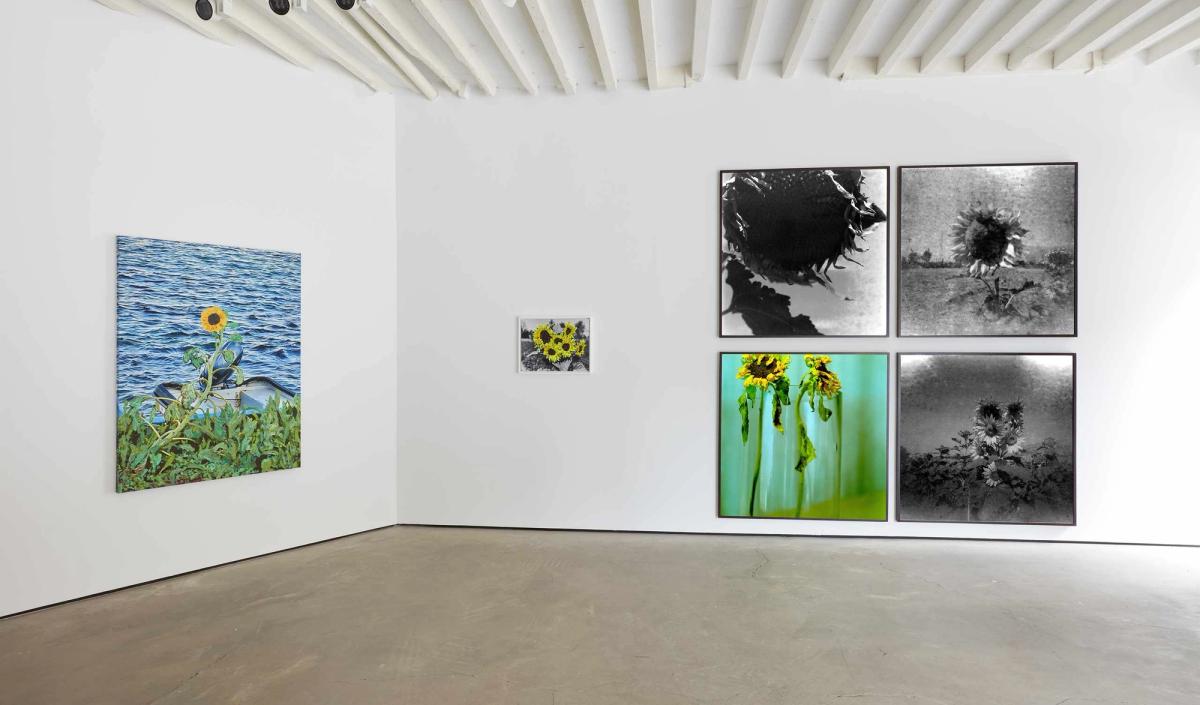
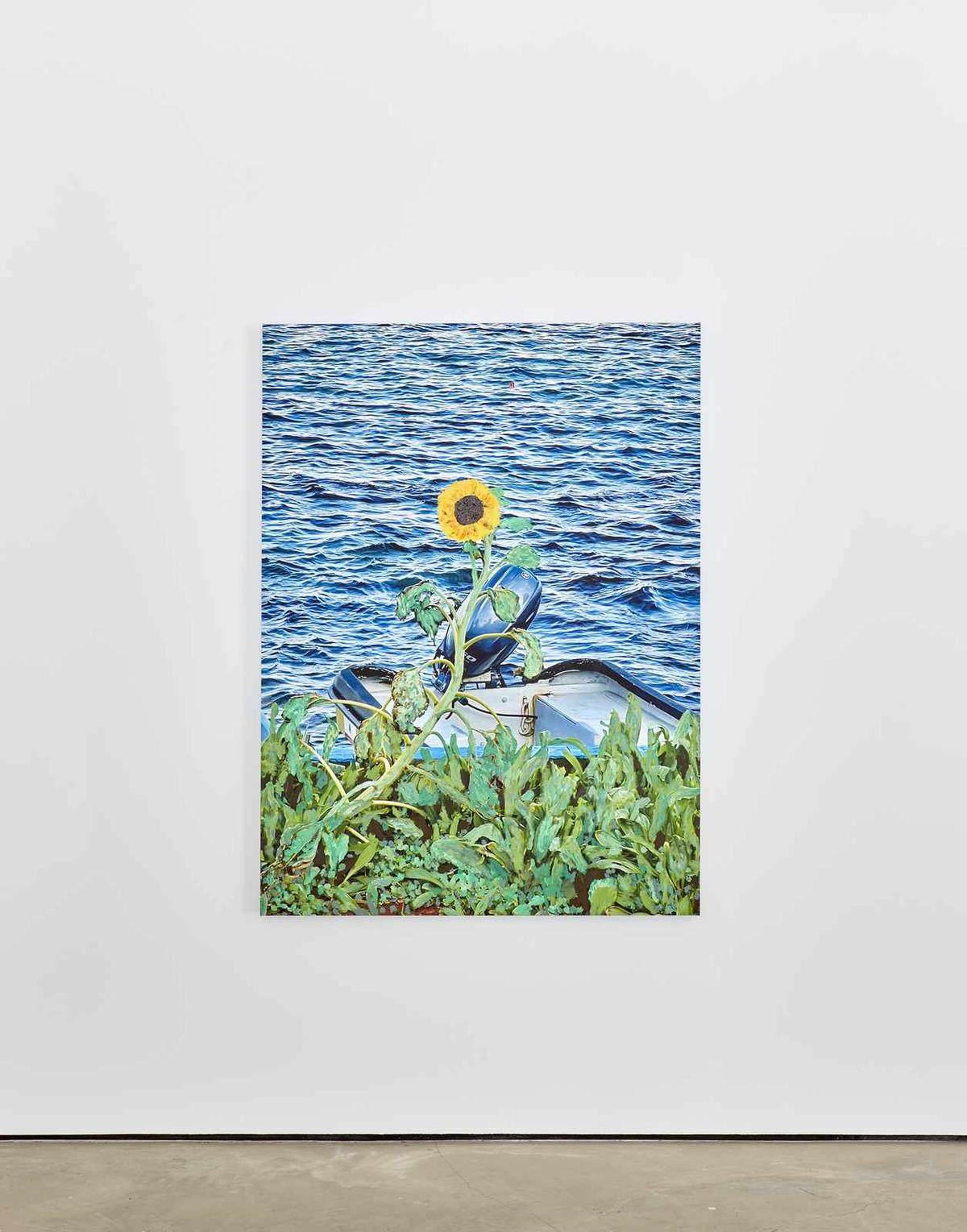
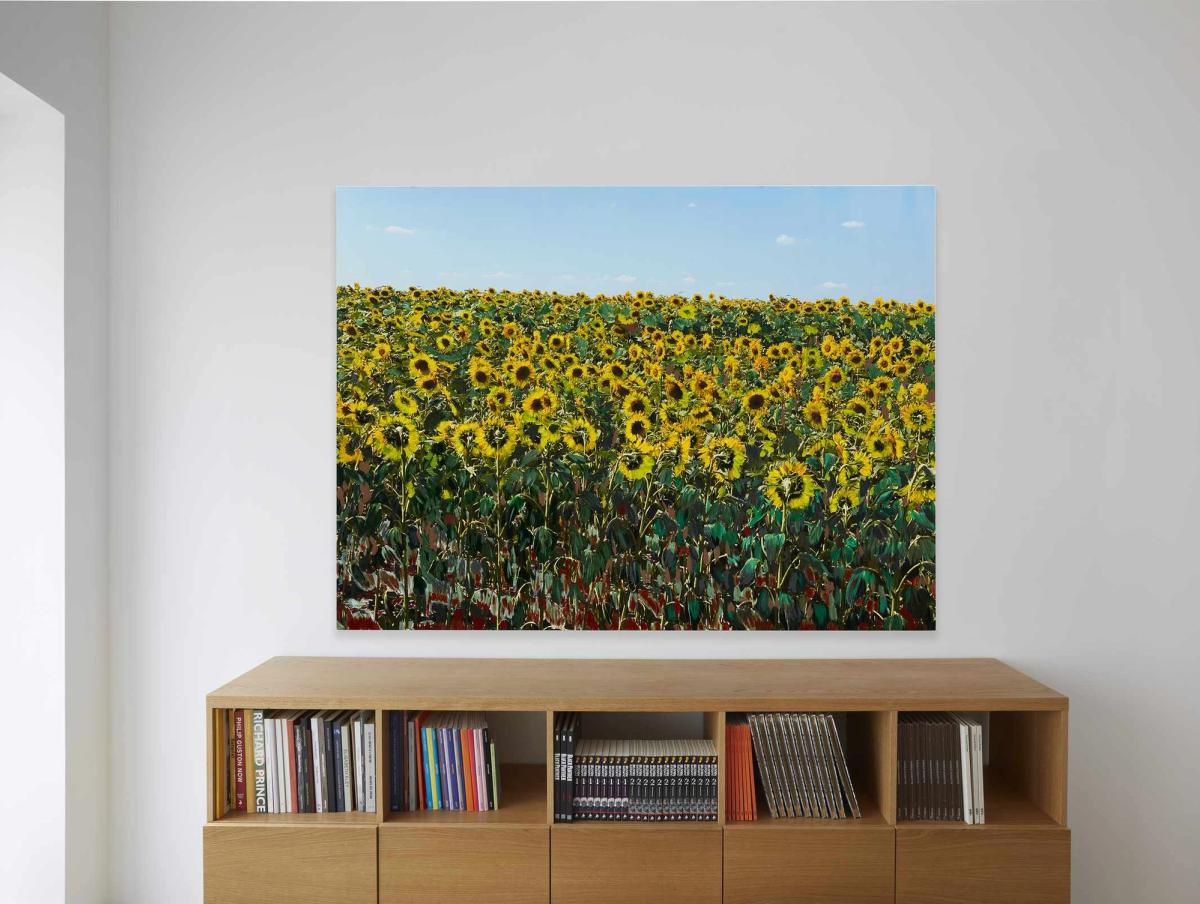
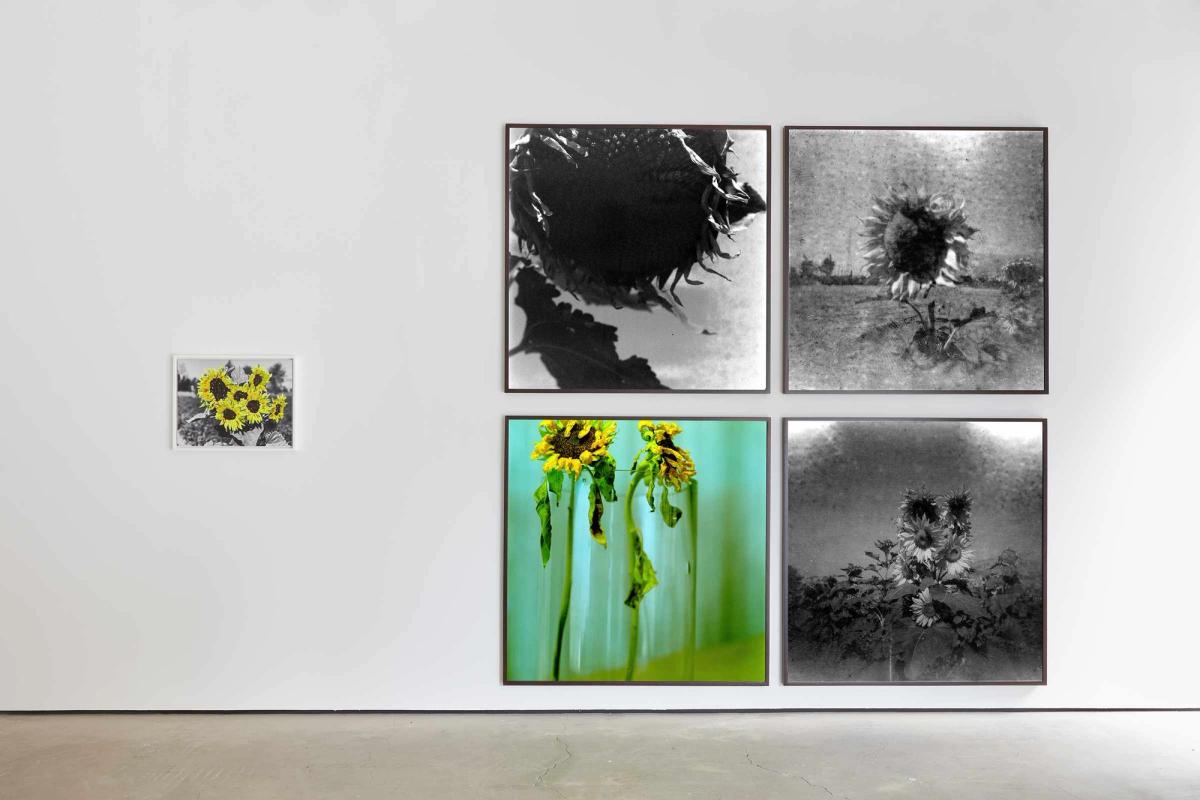
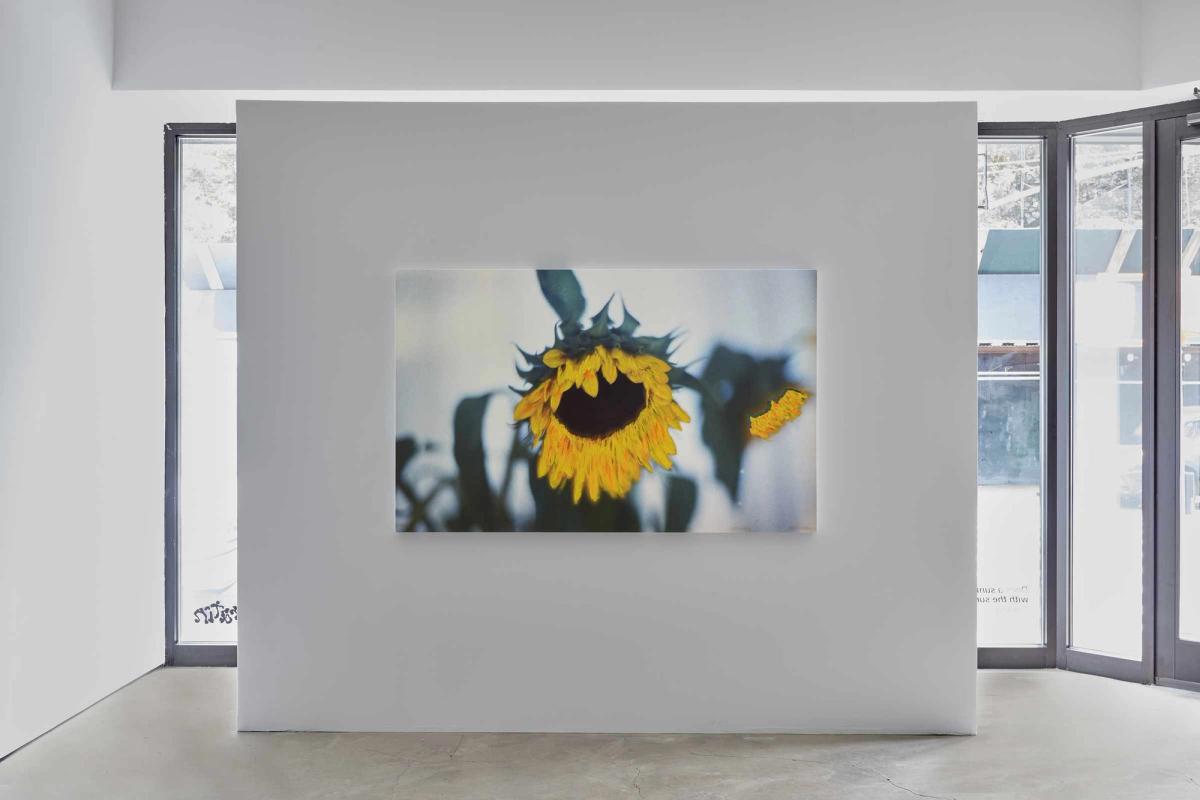
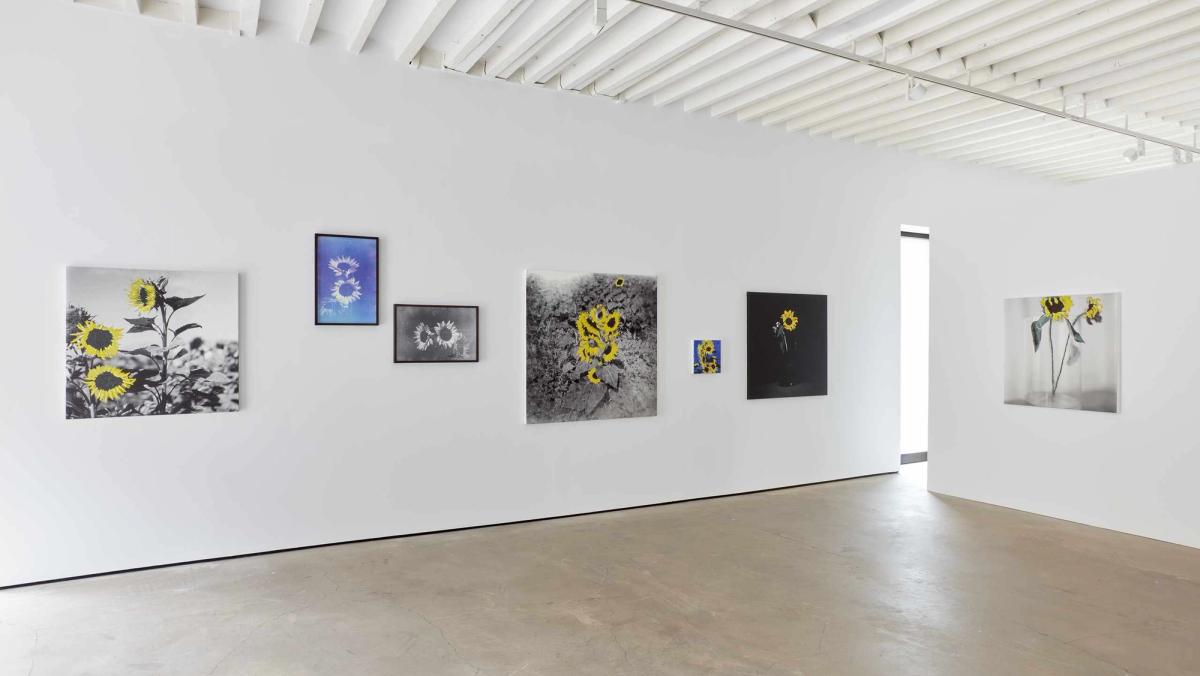
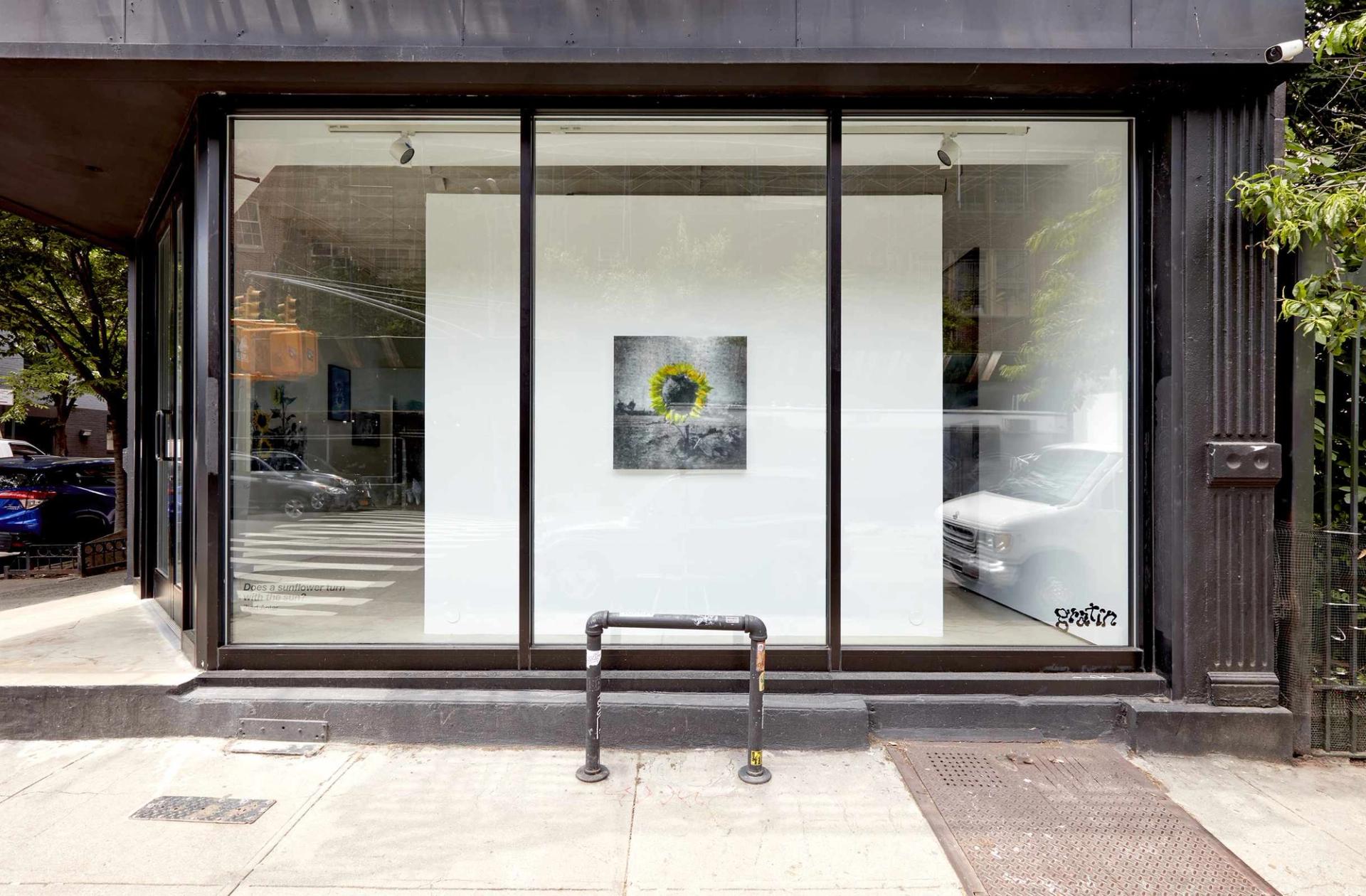
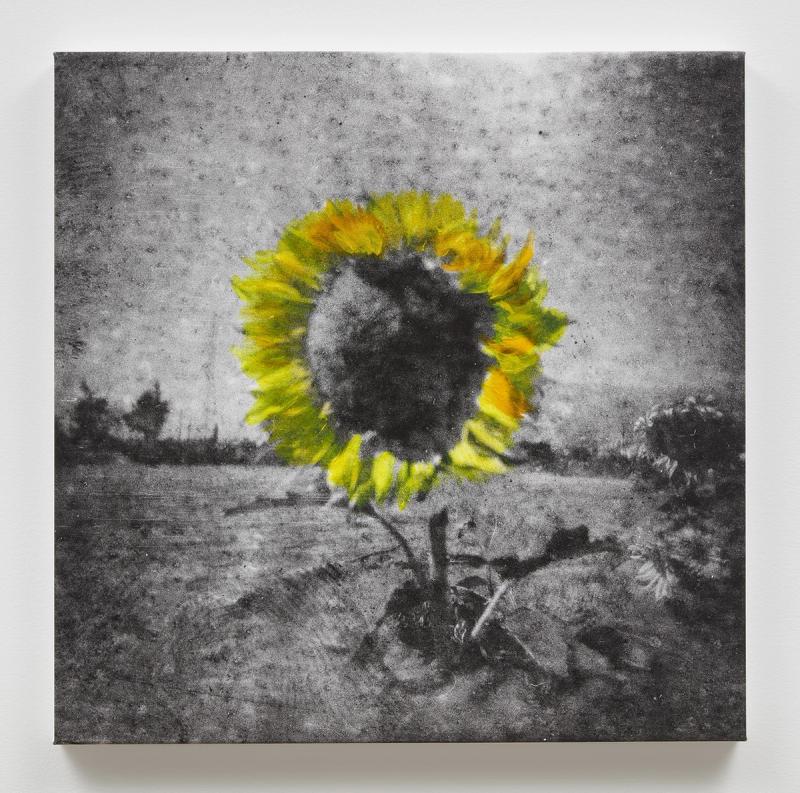
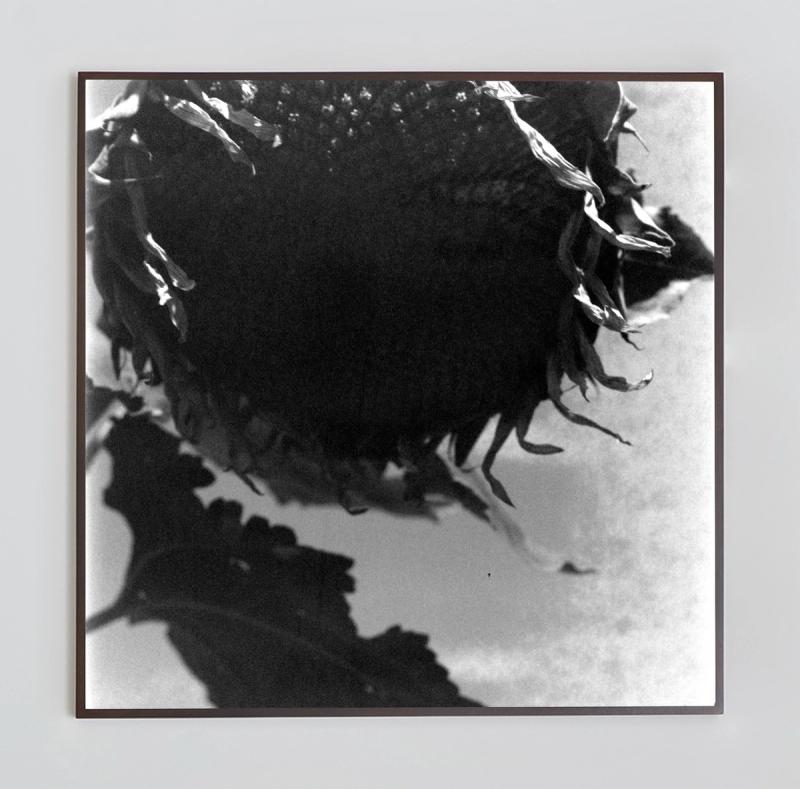
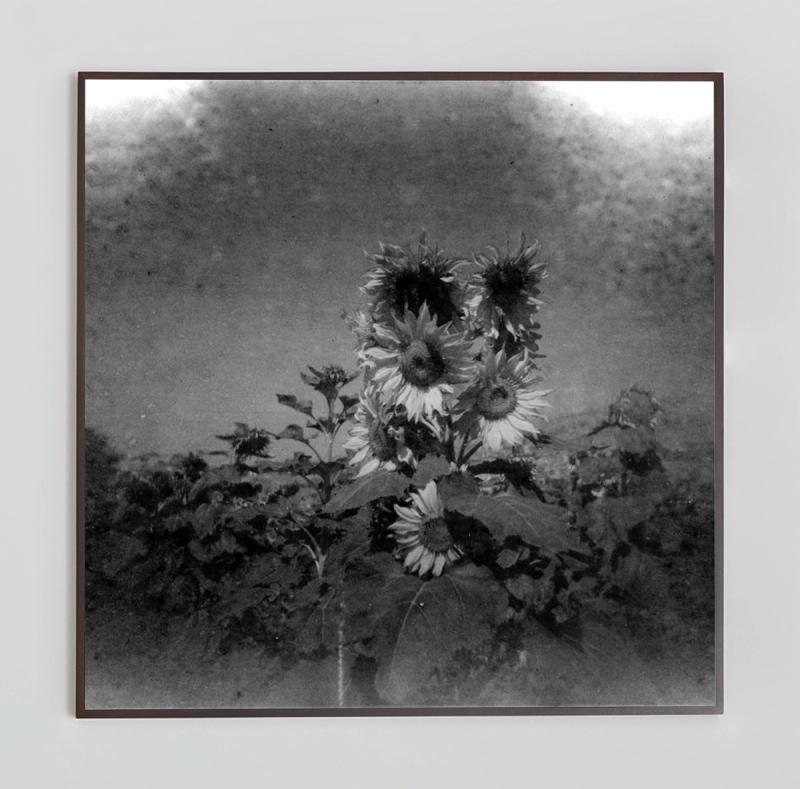
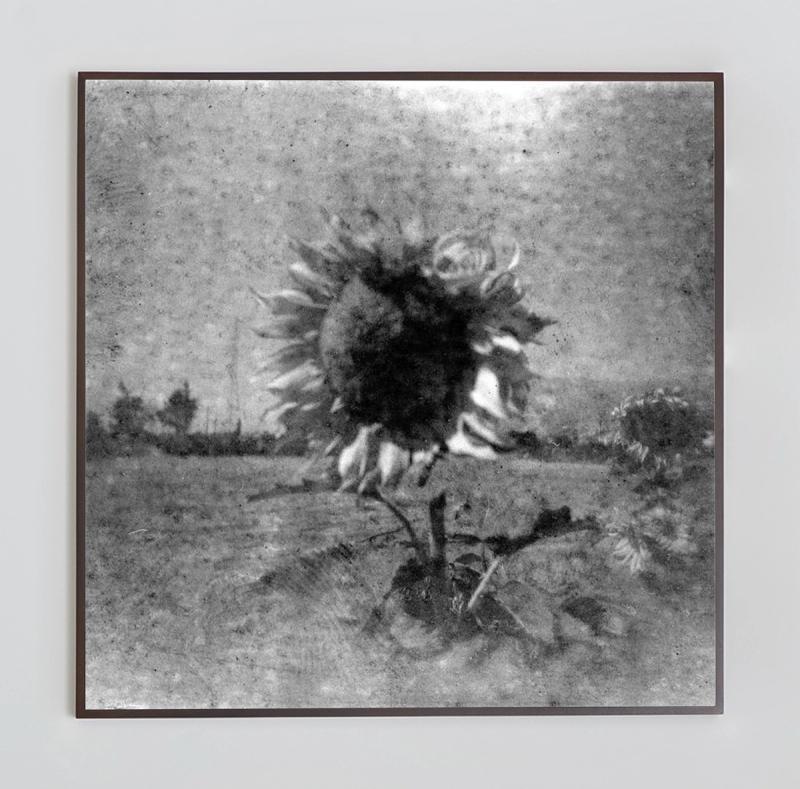
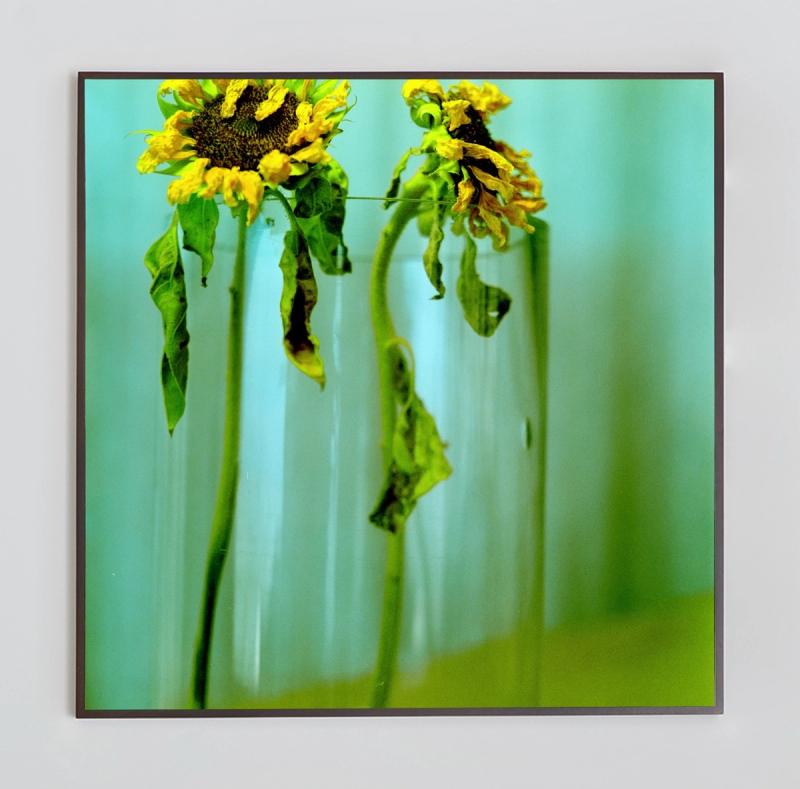
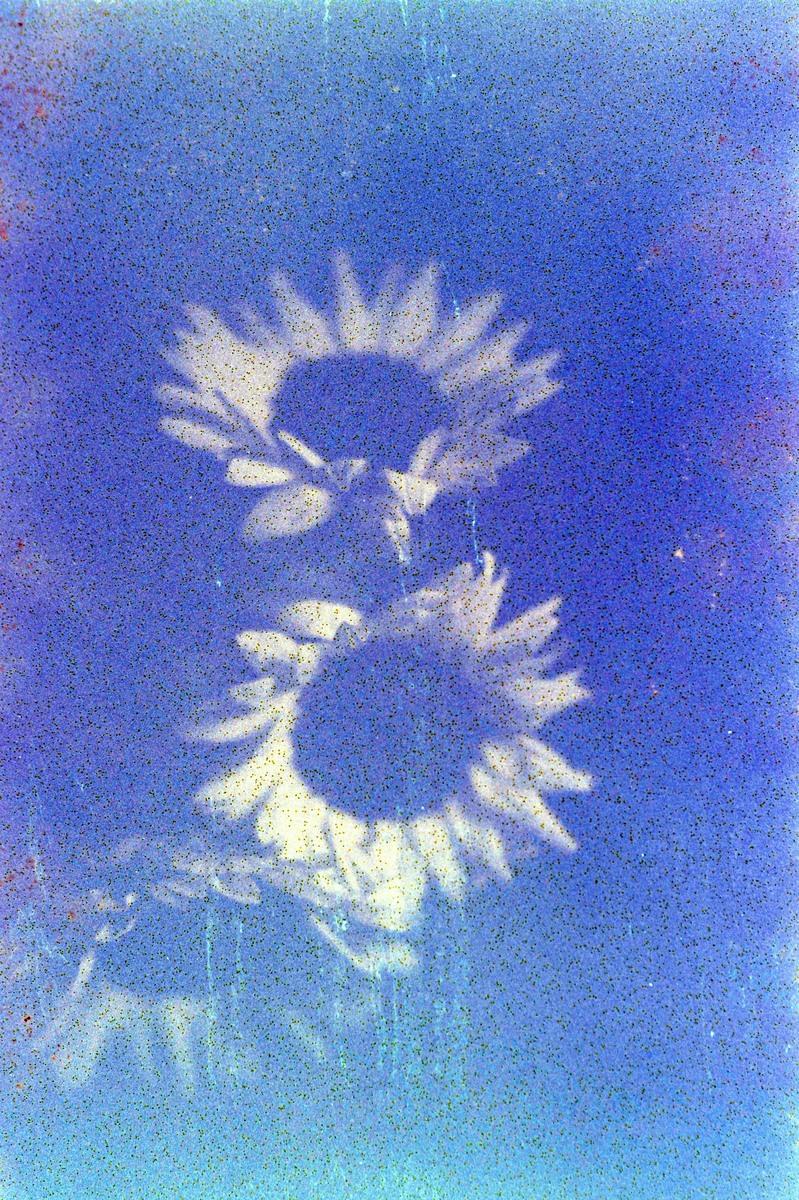
By inhabiting this contradiction, Antar sees in the growth of the sunflower, a metaphor of our existence. The heliotropic movement of the plant is a process whereby it performs a diurnal dance from east to west, reorienting itself towards the sunrise during the night. Upon reaching full maturity, the plant will cease its movement ultimately facing the earth. Antar's fascination with this phenomenon led him to explore new creative avenues to grasp the sunflower’s essence, acknowledging the impossibility of fully capturing its dynamic motion with a traditional analog camera. Following his experimental approach, he decided to apply paint on the blurred areas of each picture. The resulting porosity of the images is revealed in their ambivalence, suspended in a nostalgic material space where the trace of the sunflower's movement exists only as a memory.
—- Camilla Giaccio
Ziad Antar (b. 1978, Saida, Lebanon) lives and work in Beirut. Ziad Antar’s artistic practice delves into photographic theoretic discourses and material complexity, unraveling narratives that transcend traditional photography's boundaries. Often characterized by theatrical humor and unabashed delivery, Antar's work employs various photographic materials, such as expired negatives that defy digital photography's technological advances, and collections of archival images. By focusing on the praxis behind image production and its visual quality, his approach critically examines the photographic medium's nature, constraints, and limitations. Antar's explorations aim to create a dynamic interaction of places, cultures, memories, and disciplines, navigating the porous boundaries of art and geography. In 2001, after attending a workshop with Lebanese filmmakers Mahmoud Hojeij and Akram Zaatari, Antar decided to pursue his art education at the École Supérieure d’Études Cinématographiques in Paris. In 2003, he earned a residency at the Palais de Tokyo in Paris and received a post-diploma from the École Nationale Supérieure des Beaux-Arts in 2004.
Recent solo exhibitions and group exhibitions include Gratin, New York (2024); Gratin, Los Angeles (2024); Palazzo Barberini, Rome (2024); Aishti Foundation, Beirut (2022); The Alexander S. Onassis Foundation, Athens (2020); Almine Rech Gallery, London (2017); MAXXI – National Museum of 21st century Art, Rome, (2017); Selma Feriani Gallery, Sidi Bou Said, Tunisia (2017); Beirut Exhibition Center, Beirut, (2016); New Museum, New York (2014); Musee Nicephore Niepce, Chalon-sur-Saone, France (2014); La Criee centre d’art contemporain, Rennes, France (2013); Sharjah Art Foundation, UAE (2012); New Museum, New York (2009).
Notable collections such as Centre Georges Pompidou, France; FRAC Auvergne, France; FRAC Alsace Permanent Collection, France; FNAC (Fonds National d’Art Contemporain), France; Nadour Collection, Germany; Kamel Lazaar Foundation, Switzerland; Dalloul Art Foundation (DAF), Lebanon; The British Museum, United Kingdom; Fondation Louis Vuitton, France; Aishti Foundation, Lebanon.
Works

Installation Views