Salzburg, Strasbourg, Armeau, Saint-Cloud
Boris Kurdi
9 July 2026 — 7 August 2026 291 Grand St, 2nd floor, New York, NY 10002
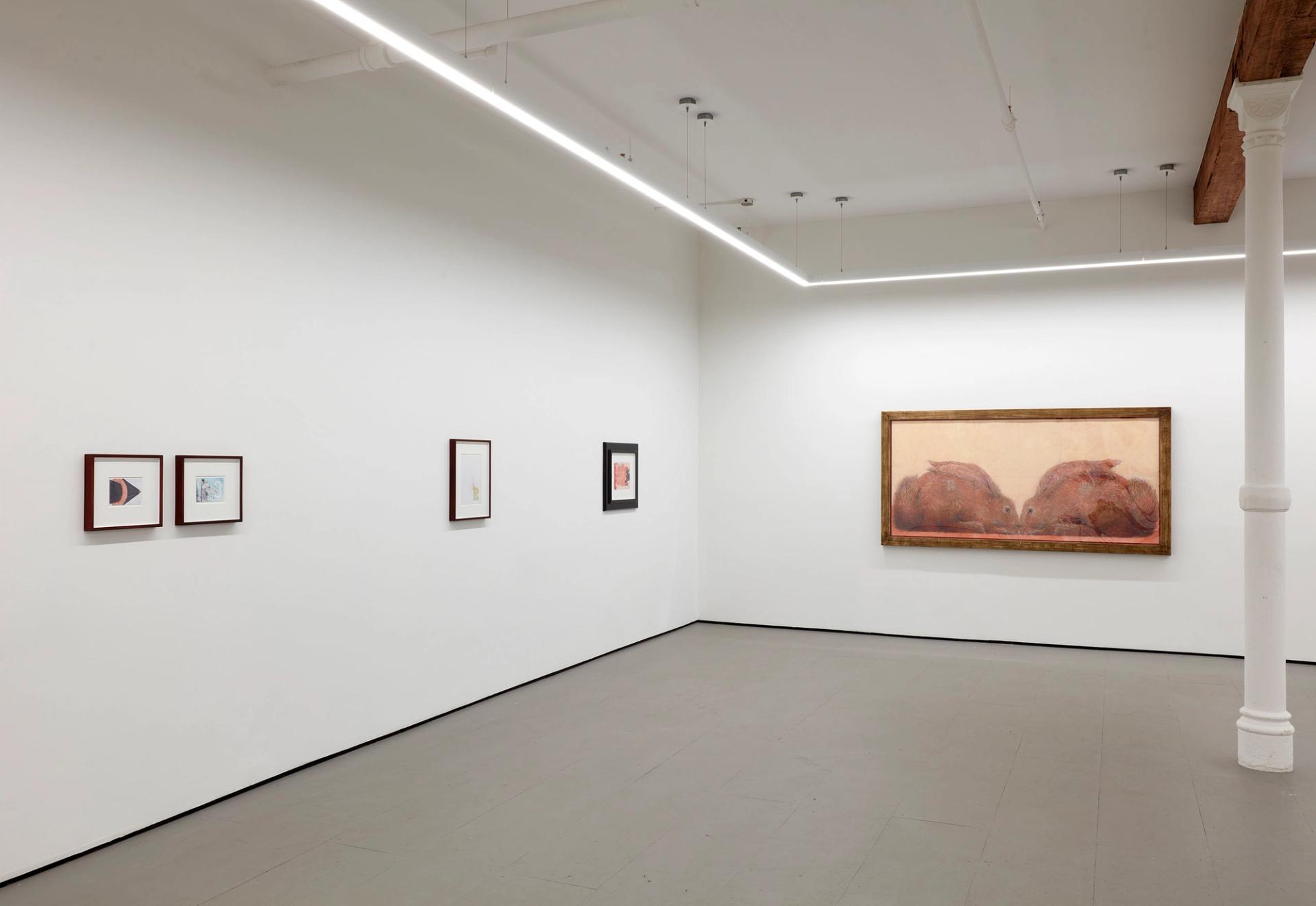
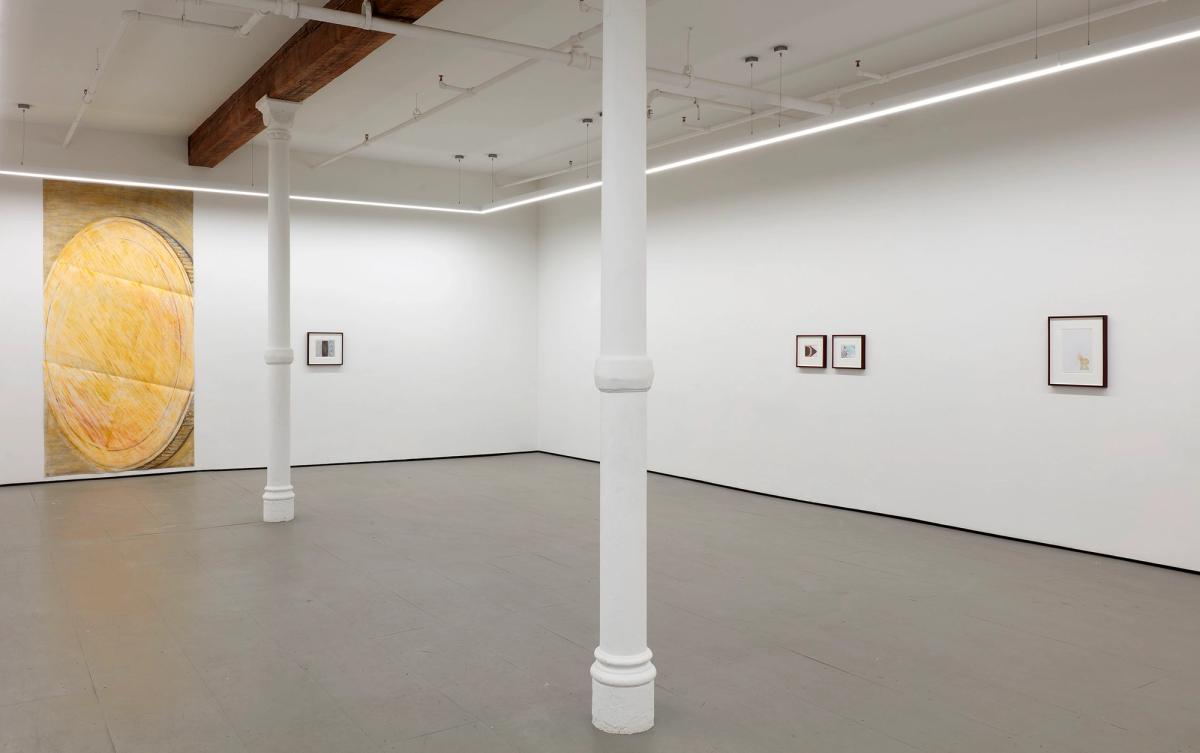
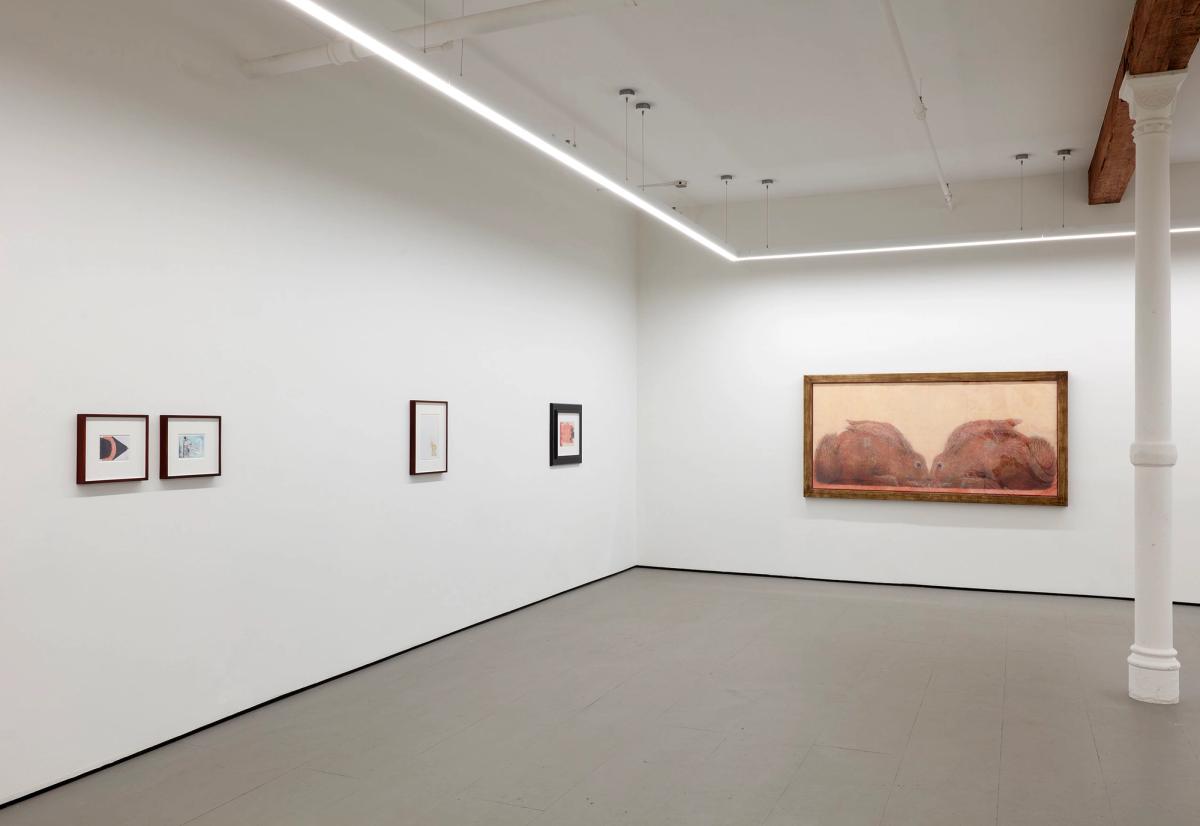
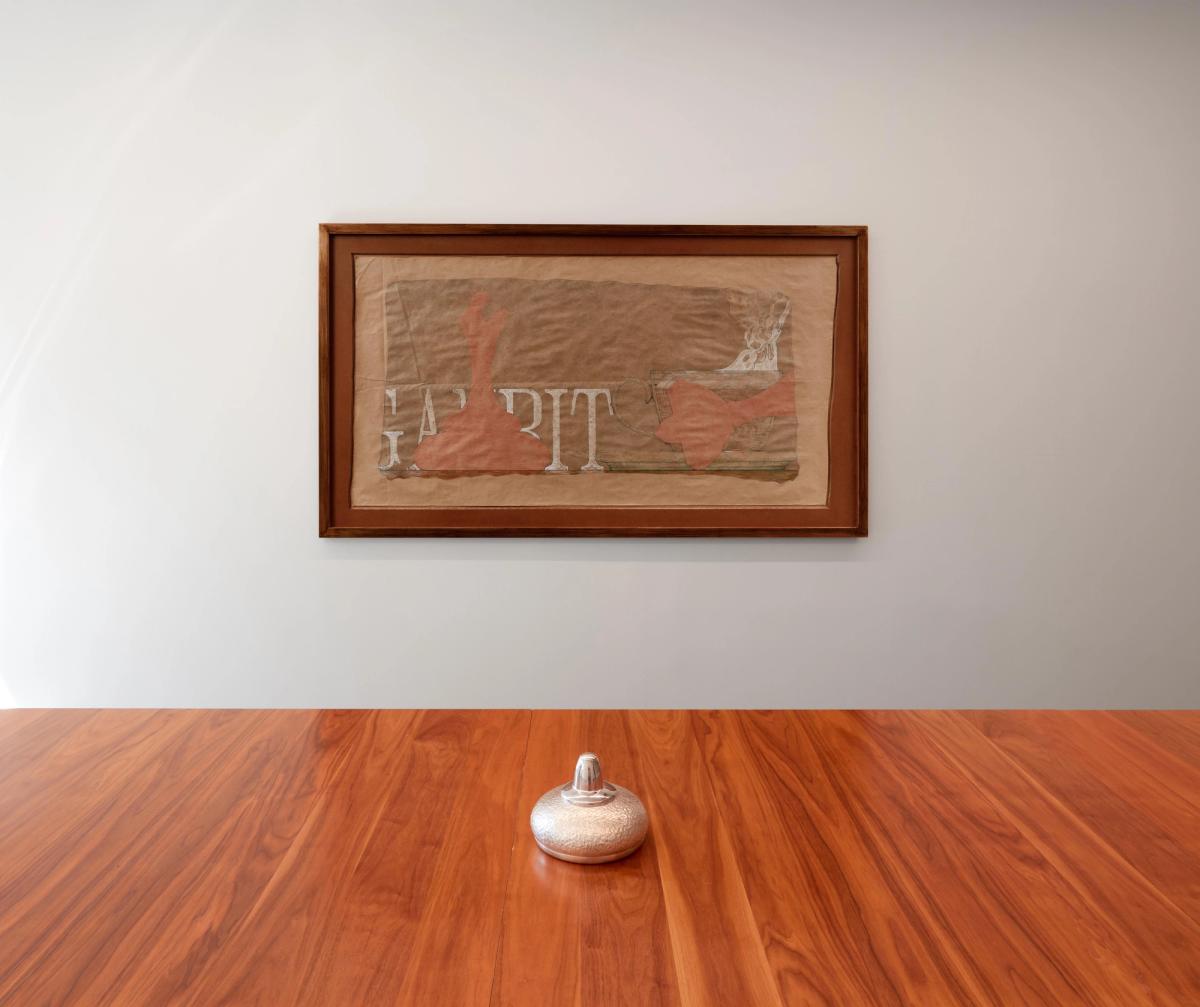
“Every object for me is a problem.” For Paris-based artist Boris Kurdi, rather than a mere declaration, this is an integral method to his practice. In Salzburg, Strasbourg, Armeau, Saint-Cloud, Gratin brings together a selection of Kurdi’s works made from 2016 to 2026. The exhibition follows a decade-long inquiry into “the object” as a site of thought, use, memory and projection. Kurdi’s practice begins from the premise, at first glance deceptively simple, that objects are never neutral: they are historically and culturally informed, circulated, classified, desired and/or misread.
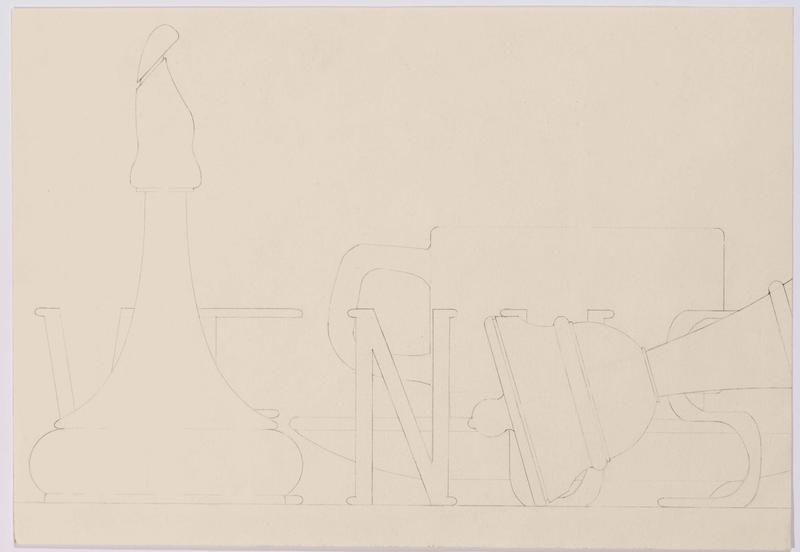
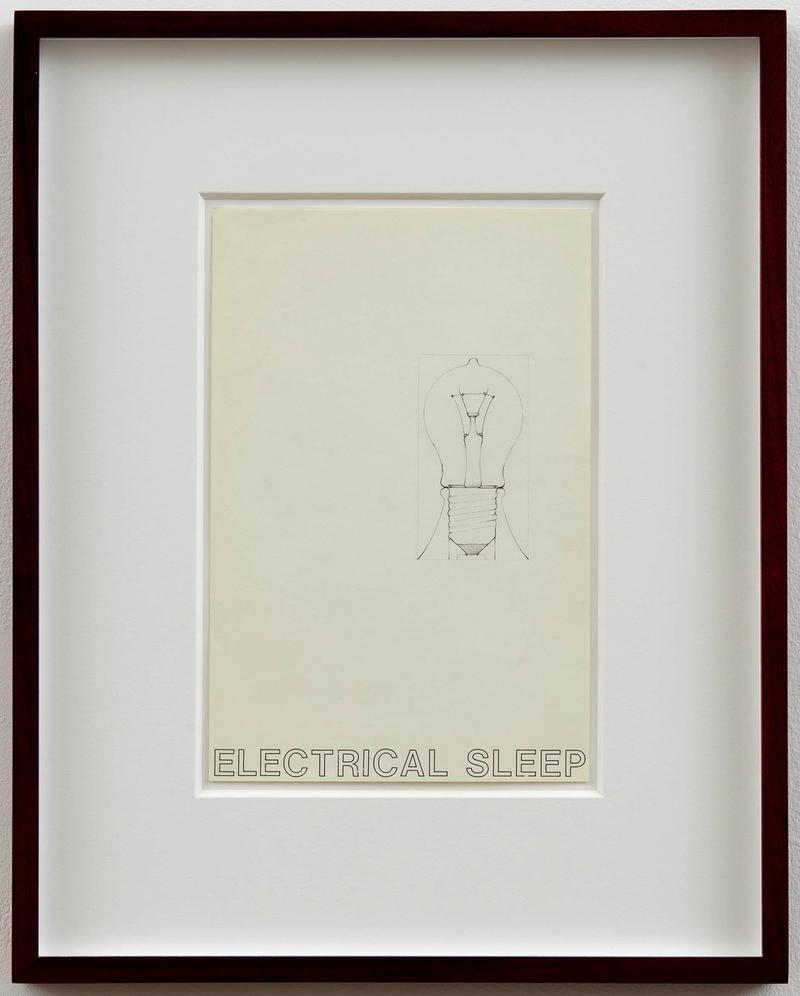
Kurdi’s drawings touch upon a wide field of sources: art and architectural history, corporate materials, childhood, cartoons, literature, and symbols. The Fondation Pernod Ricard describes his practice as exploring the “forces of intention” which are exerted upon images and objects; simultaneously, he investigates the processes of decoration, exaggeration, misrepresentation and corruption. A bunny, pen, coin, arrow, vase, lightbulb, and chess pieces are never simple representations; each object becomes a fragment of a larger social and mental network. Kurdi’s work recalls Barthes’s Mythologies: objects appear ordinary and familiar, but they carry codes and processes of the
worlds that produced them, transforming them into cultural signs. A coin is not just a coin, but invokes exchange, value, power, and circulation. A pen is not just a pen, but a sign of labor, learning, authorship, drawing, even the artist’s own hand.
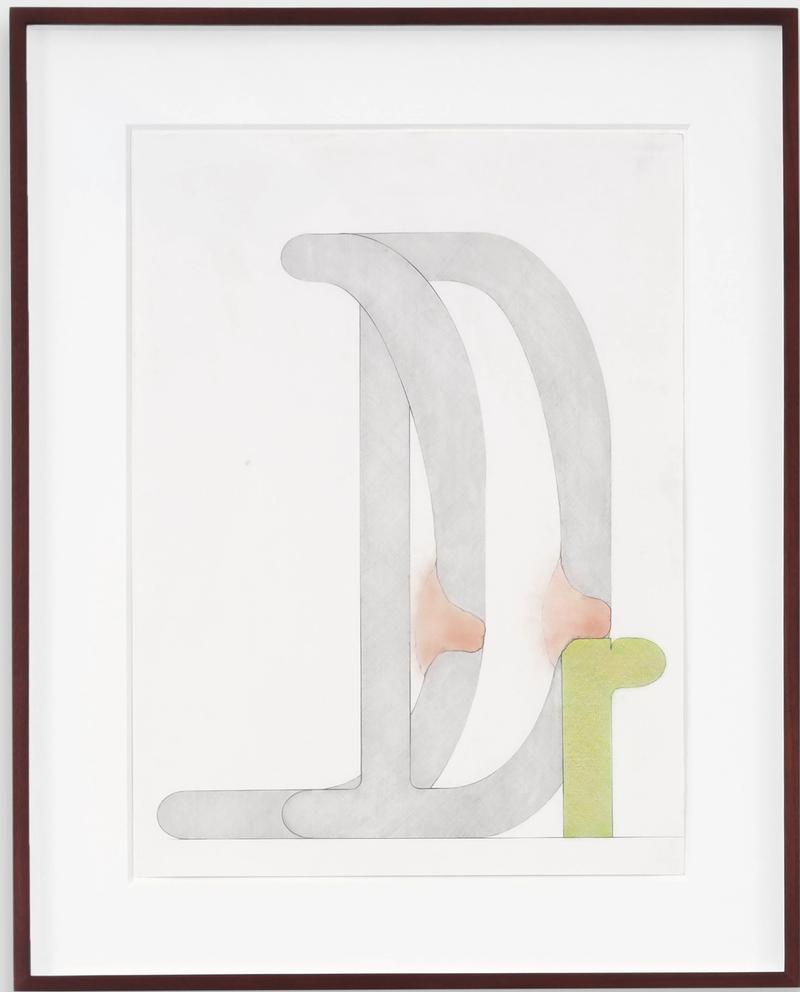
The 1884 novella Flatland, by English theologian Edwin Abbott, is an important reference for Kurdi’s understanding of the formal and geometric world. Like Abbott’s two-dimensional figures, Kurdi’s drawings begin with simple flat shapes, but those shapes suggest meanings beyond what is immediately visible. A circle may be a coin, a wheel, a clock, a sign or a diagram. A line may be a mark, a boundary, or a trace of a body reduced to movement. Kurdi manipulates flatness to compel the viewer to see hidden depth; his images stay on the surface, but point toward other systems of meaning; thus, forms are charged with feeling. A bunny connects to memory,
with the feeling of childhood, and with the playfulness of cartoons.
Kurdi also plays with the viewer’s own cultural memory. His symbols are immediately recognizable, but their meanings shift according to the associations brought to them. A hand firmly extending itself straight into the air invokes both moments of salutation and adoration but simultaneously points to one of humanity’s darkest and sinister events. Three different wheels, from three different points in history, invoke, in the viewer, the historical time in which each wheel was utilized; furthermore, as they are positioned, side by side, the thread of
technological development and human advancement is brought into contemplation. Not only are simple ontological questions raised –– “what is a wheel, what is a tool?” –– but also questions about what the human species is advancing toward. Kurdi’s works depict an object that is recognizable, yet call into question the meaning, the anthropological history, the cultural understanding of what he depicts.
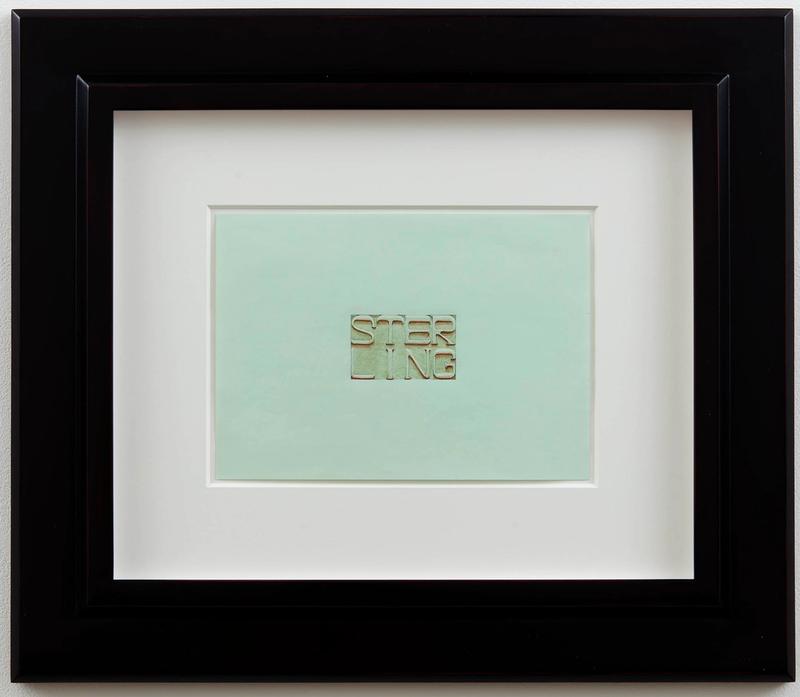
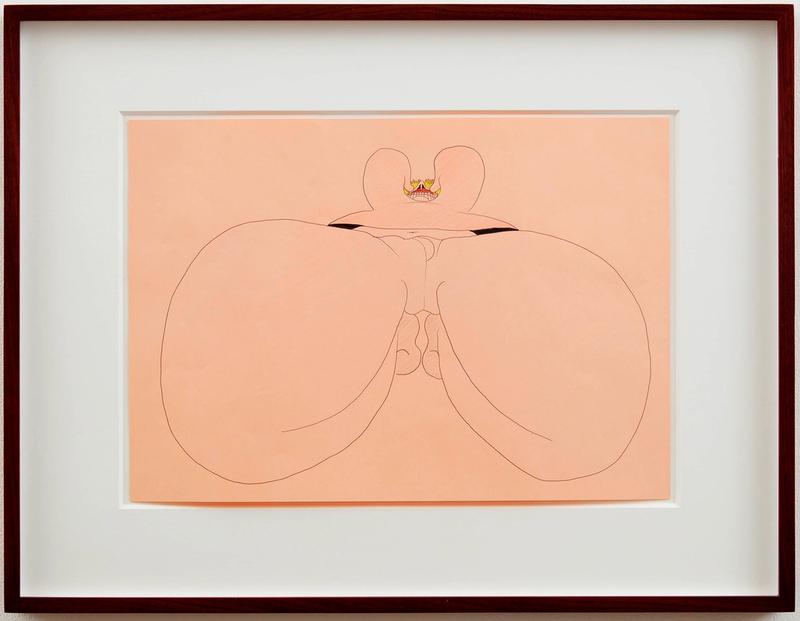
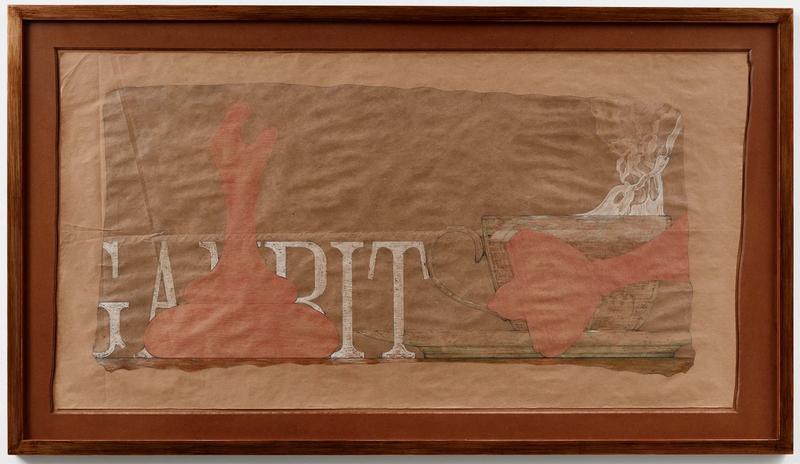
Kurdi’s works are marked by precision and fragility. Thin lines, pale colors, rubbed surfaces and backgrounds, geometric outlines create images that exist in the space between drawing, diagram, and archaeological trace. His precision and delicacy are analytical rather than ornamental. While his works simultaneously point to and incorporate systems of knowledge–– logic, measurement, classification––they also intentionally undermine their authority through playfulness and humor.
The exhibition’s title, Salzburg, Strasbourg, Armeau, Saint-Cloud, reads like a sequence of coordinates which are held together by association rather than narrative. As with the objects in Kurdi’s work, these names of places bring associations of memory, movement, classification and even displacement. Across ten years of practice, Kurdi turns the ordinary object into an unresolvable proposition: something to be examined, doubted, contemplated and reconsidered.
–– Quentin McCarron
Works
Installation Views