Time Spent Looking
Max Jahn
29 January 2026 — 5 March 2026 291 Grand St, 2nd floor, New York, NY 10002
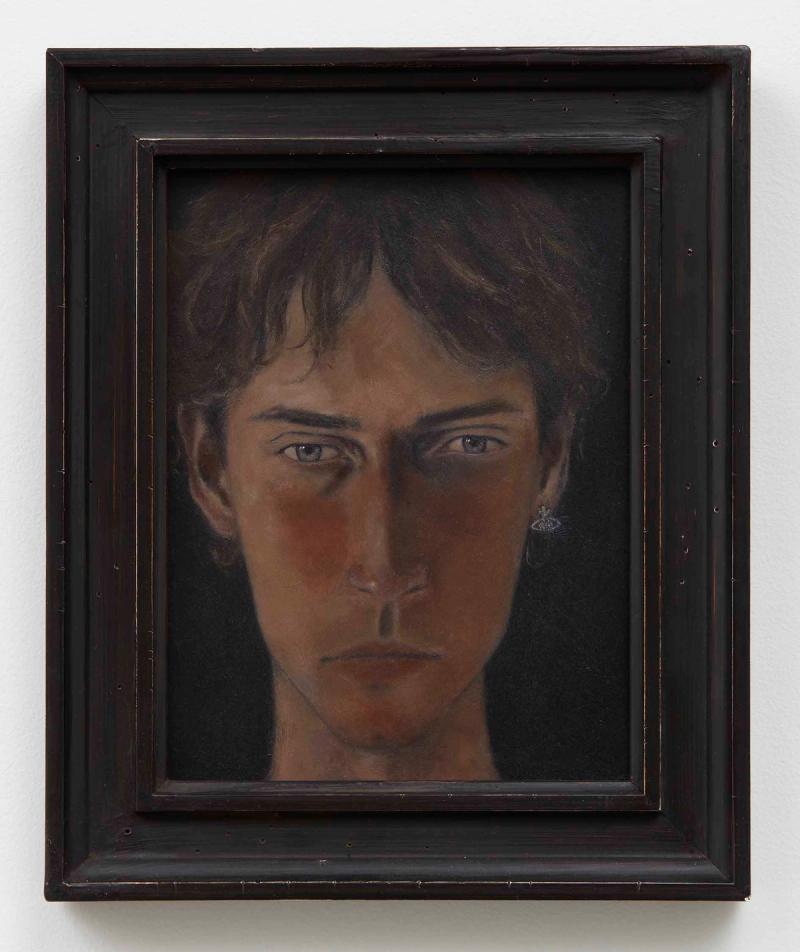
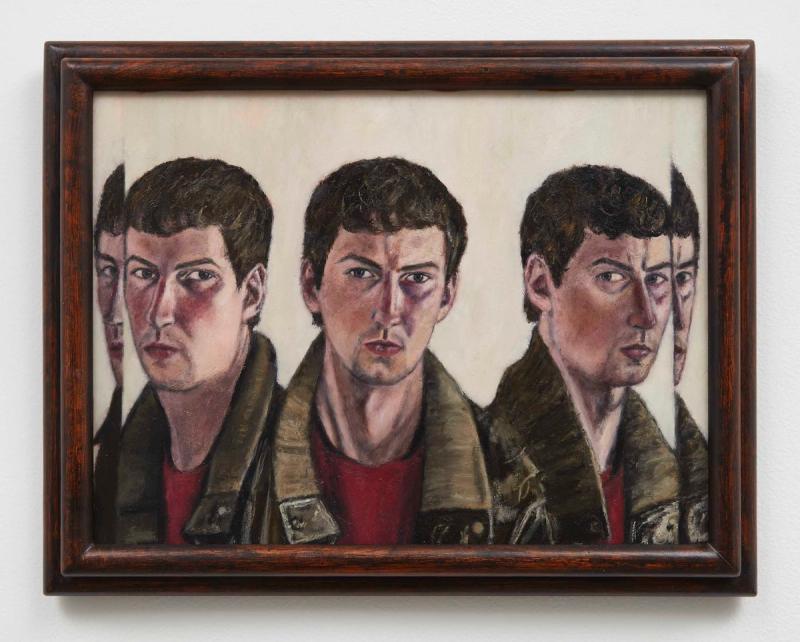
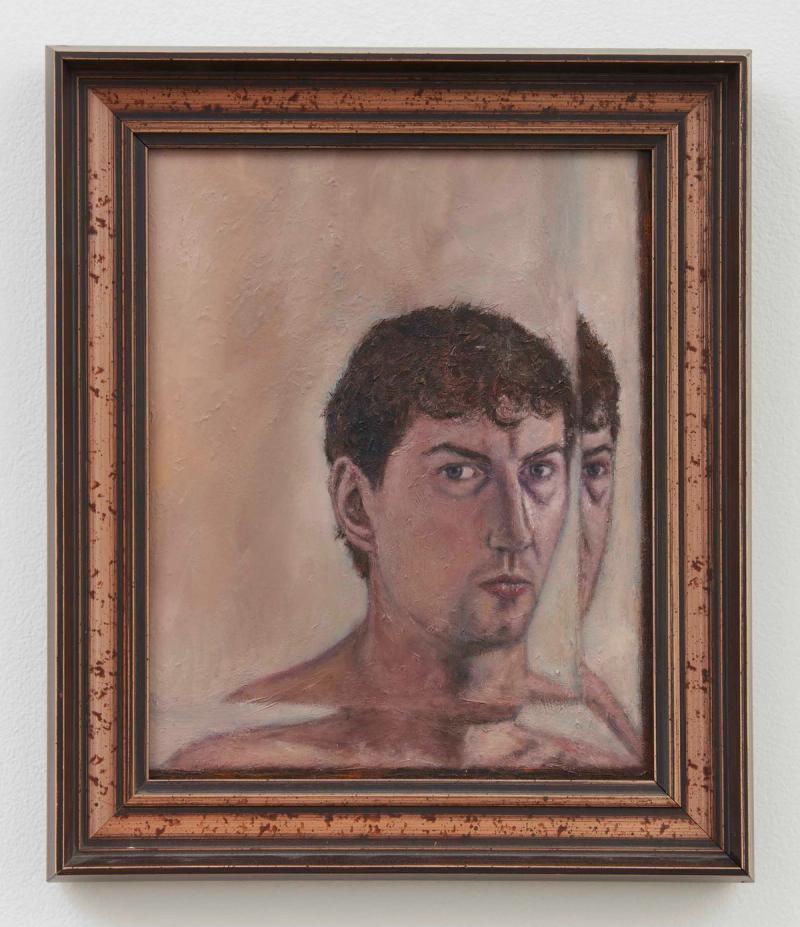
Max Jahn’s paintings start with a mirror, a particularly strange old mirror—one that once hung in his parents' place in Berlin, now hanging in the artist’s flat, a mirror with enveloping facets that allow the viewer to get multiple vantages on a face in reflection. It’s a mirror once consigned to his father’s antique store on Motzstrasse, opened in the former West Berlin, where Jahn was born, after his parents fled from the former East Germany, their homeland.
The shop is still standing on Motzstrasse in the heart of Schöneberg, the erstwhile hotbed of painters and poets and pre-war flappers-in-Weimar debauchery chronicled by resident Christopher Isherwood in Goodbye to Berlin. Marlene Dietrich sang at the Eldorado, a club at Motzstrasse 24 that was shut down by the Nazis in 1932. The building is now a DennsBiomarkt.
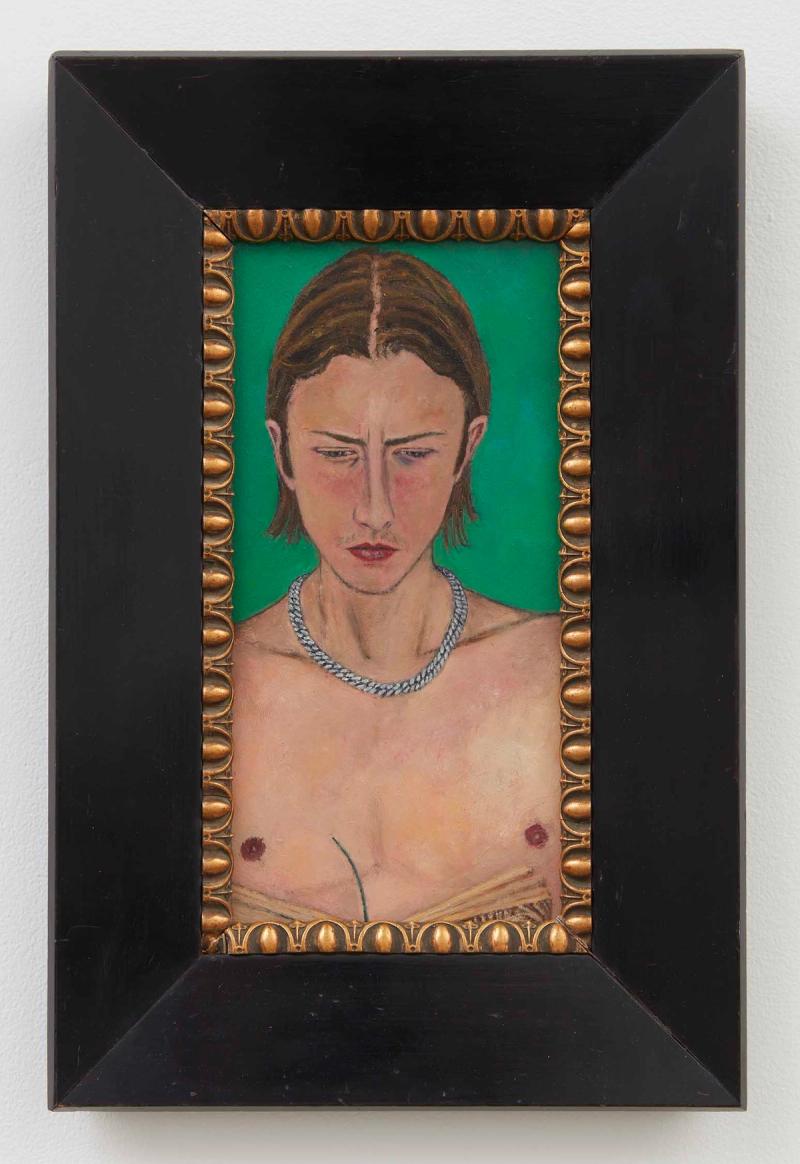
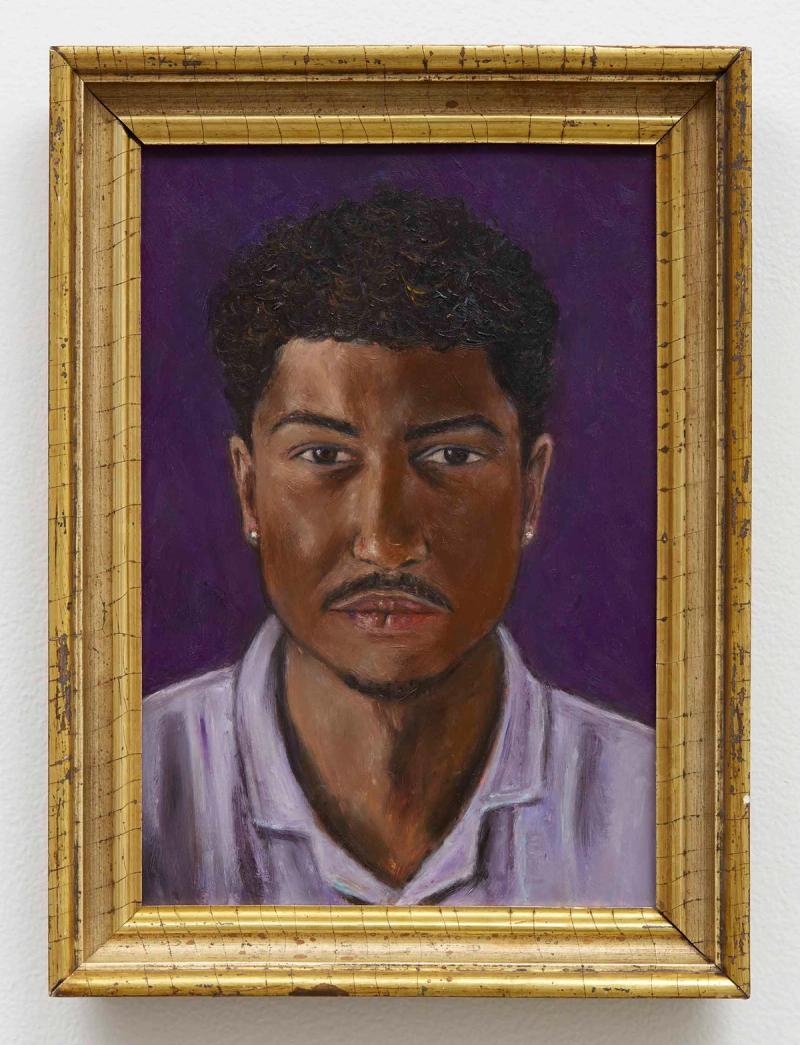
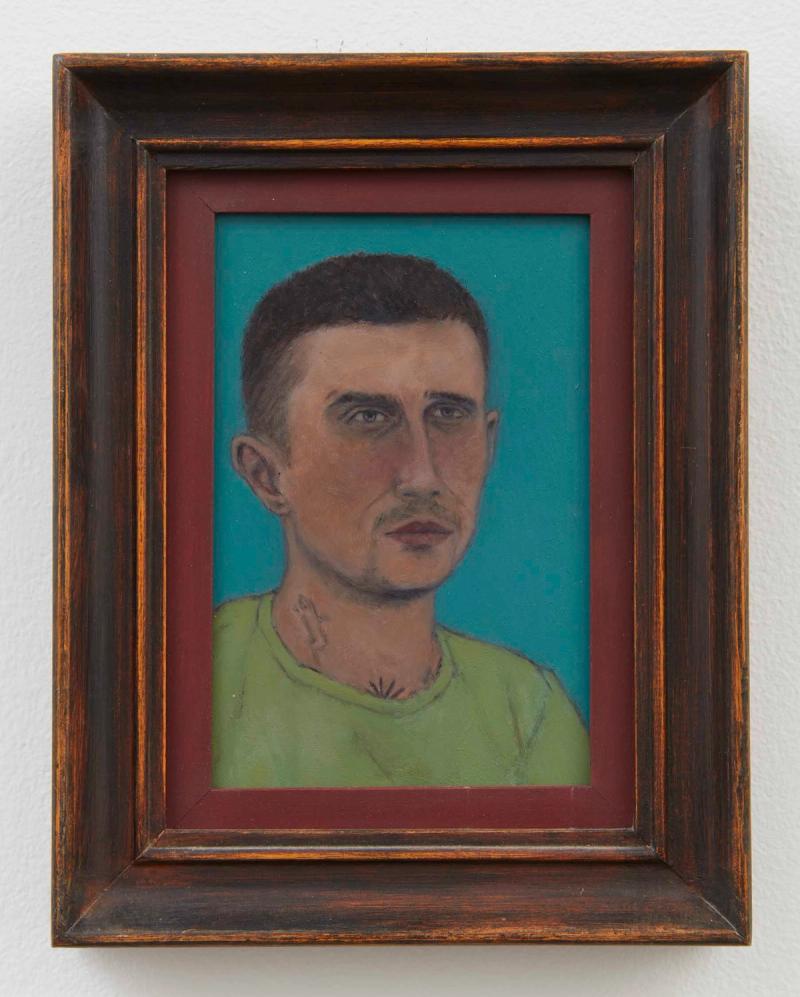
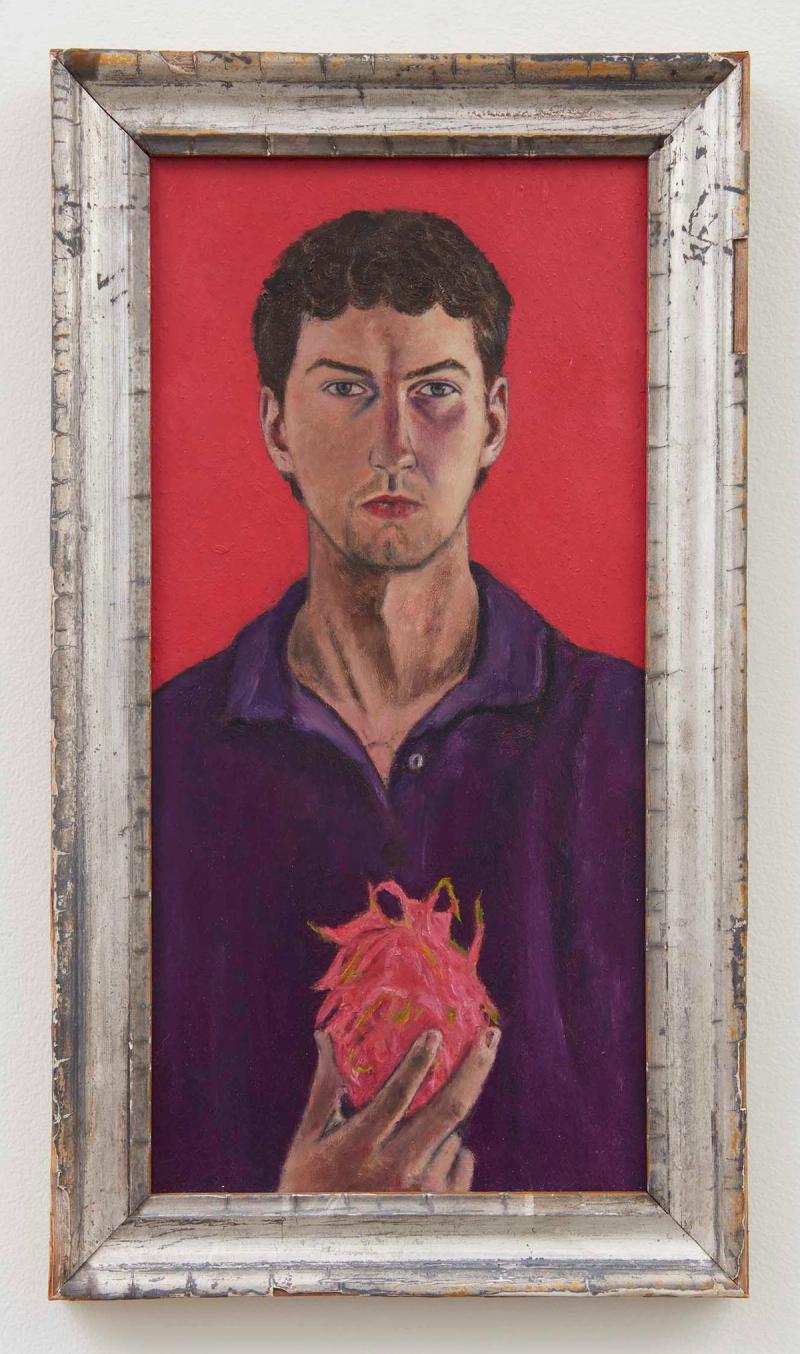
Jahn grew up surrounded by these 1920s ghosts as they migrated from the shop to the home—the work of the artists and their household items were reinstalled in his childhood domestic setting, the living rooms of the past dismantled and rebuilt anew. After studying landscape architecture he painted pastoral scenes and dove in headfirst—he went to the Nationalgalerie and studied the faces in the Dutch Masters, painted himself over and over, shed the echoes of Dix and Freud. What emerged was his own hand, a style that warps Balthus and the boys from the Netherlands into his own unmistakable signature.
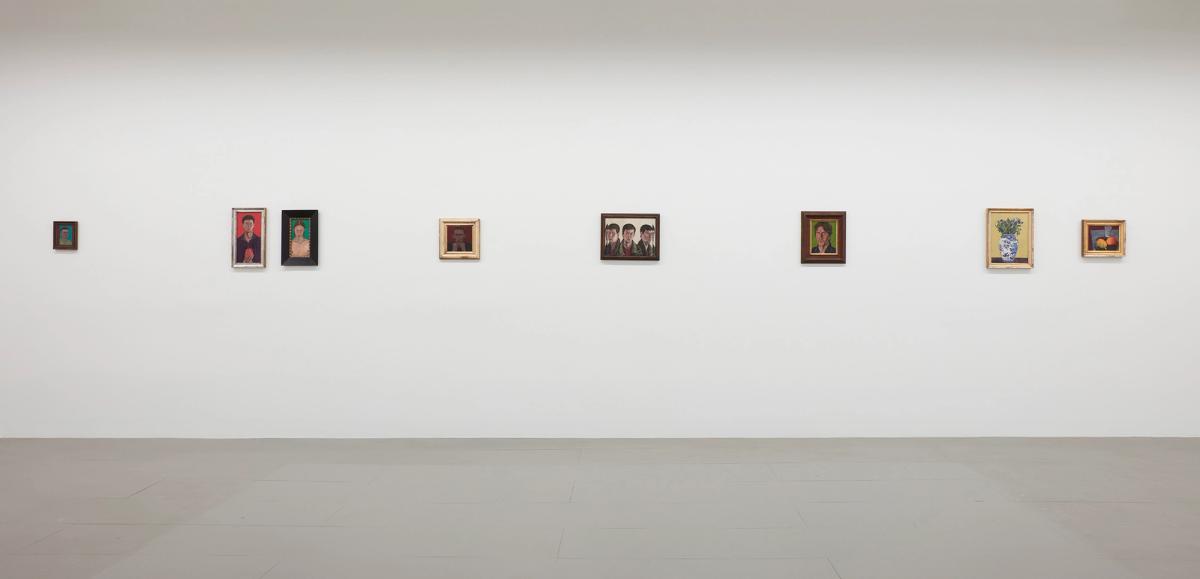
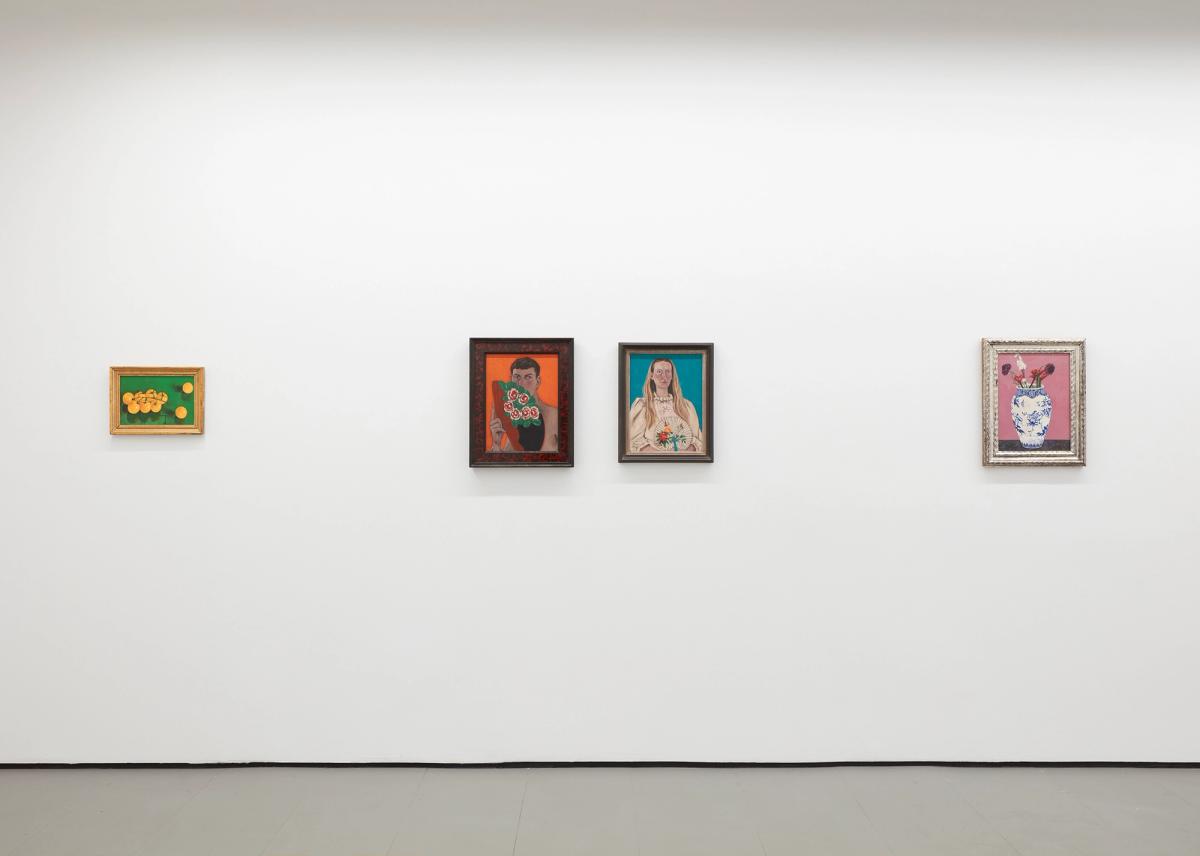
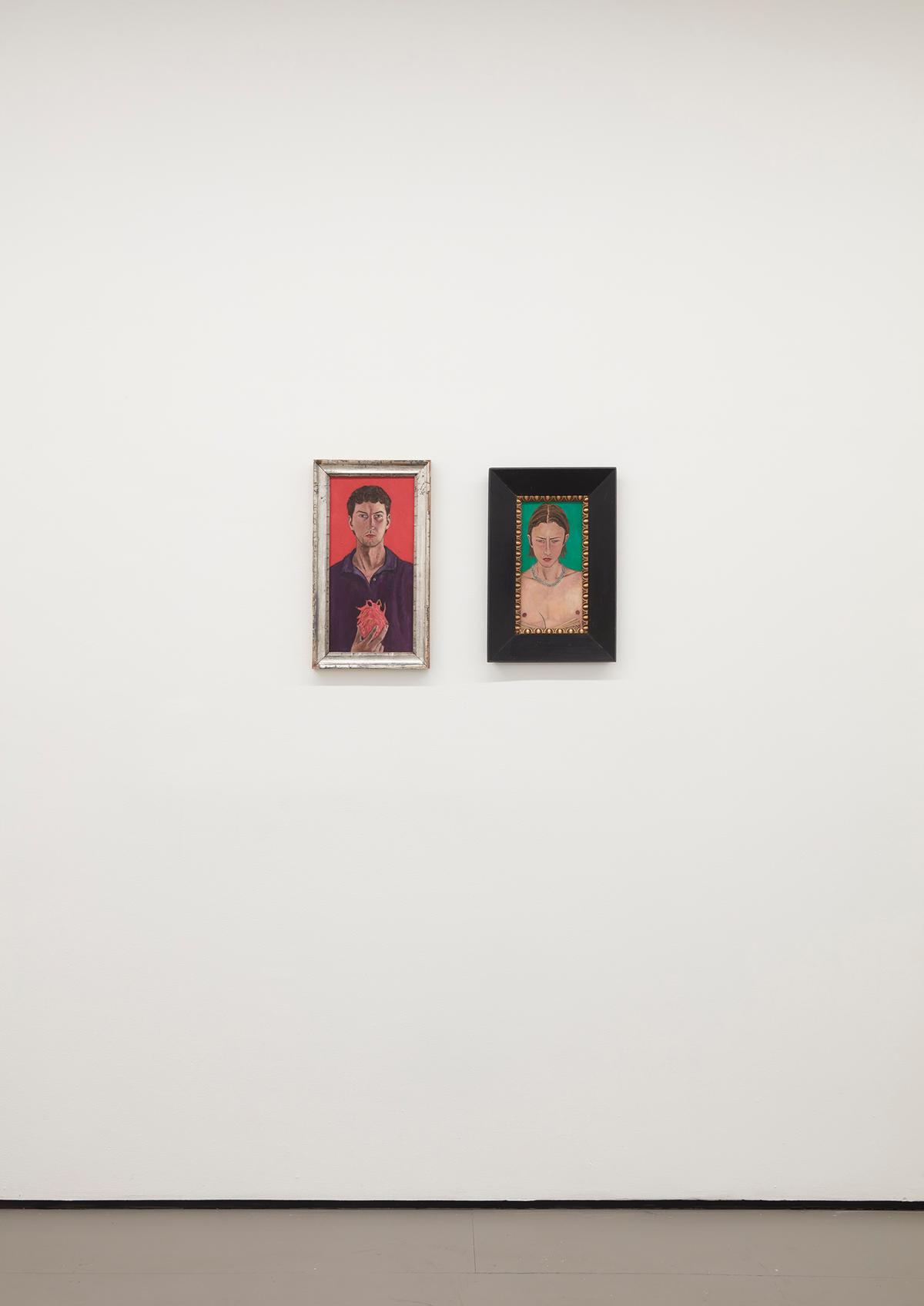
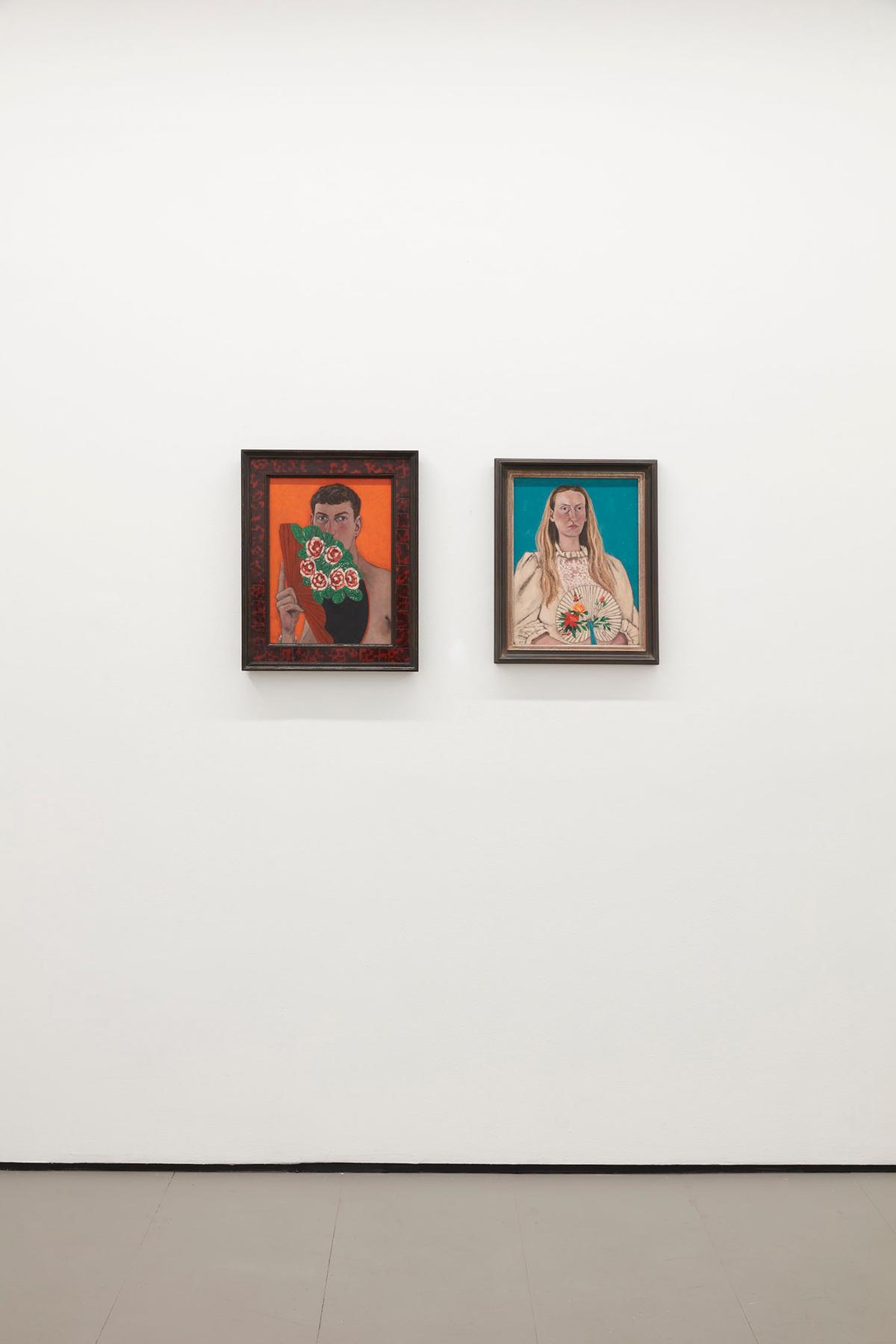
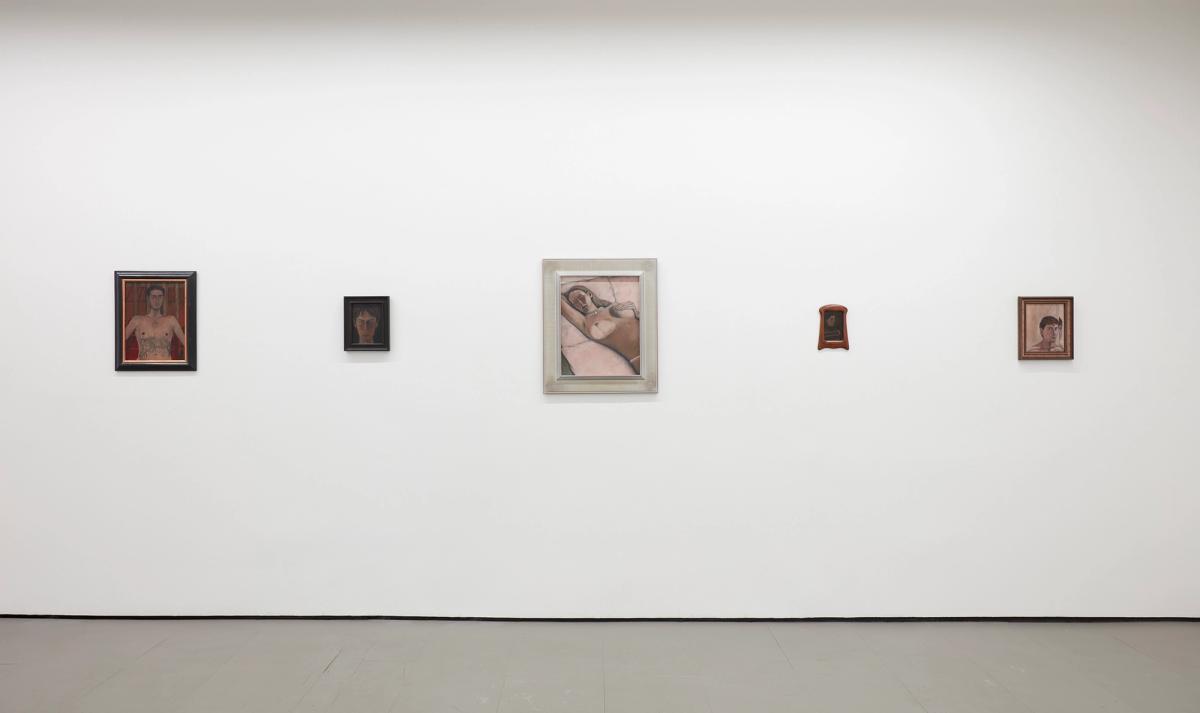
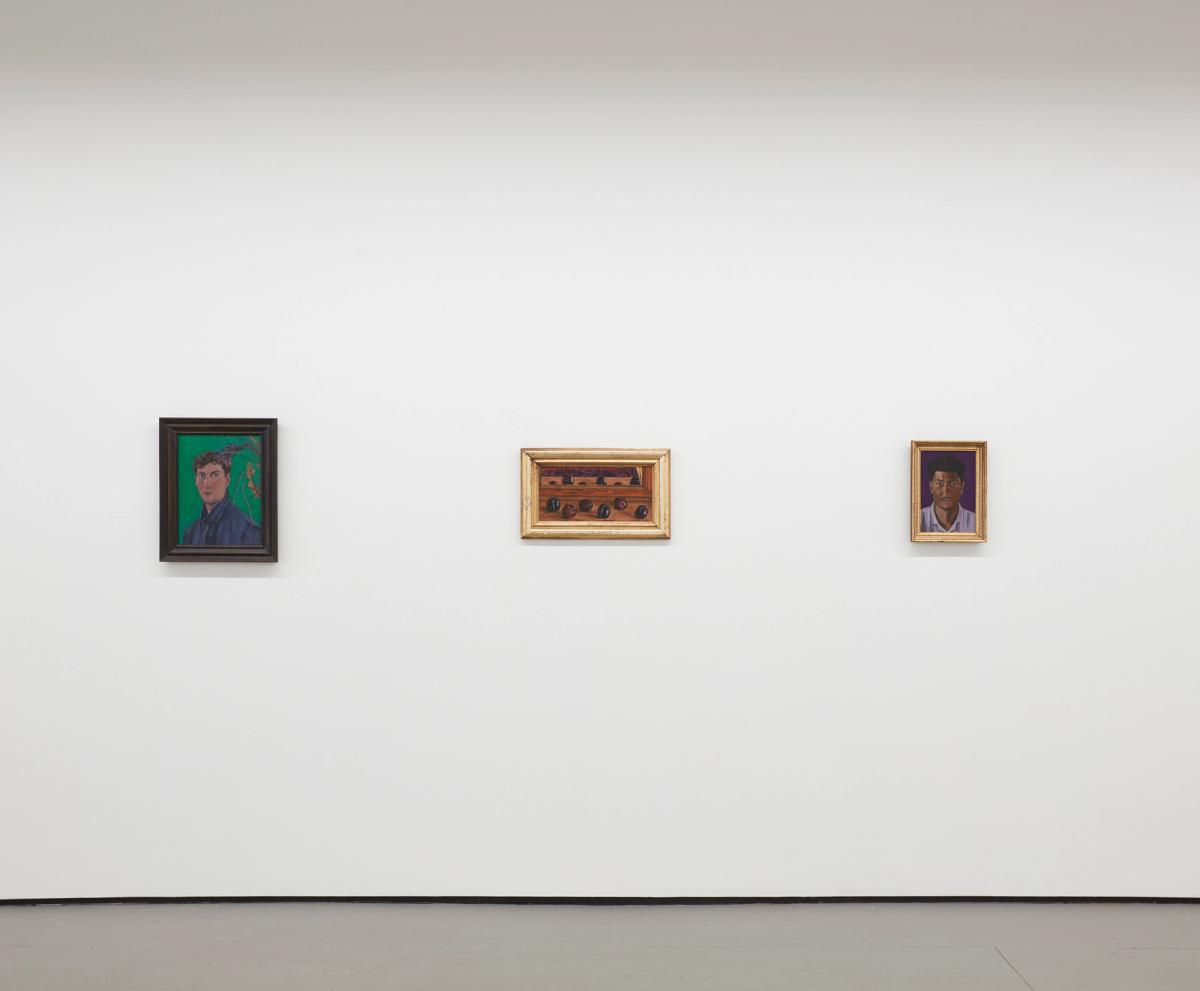
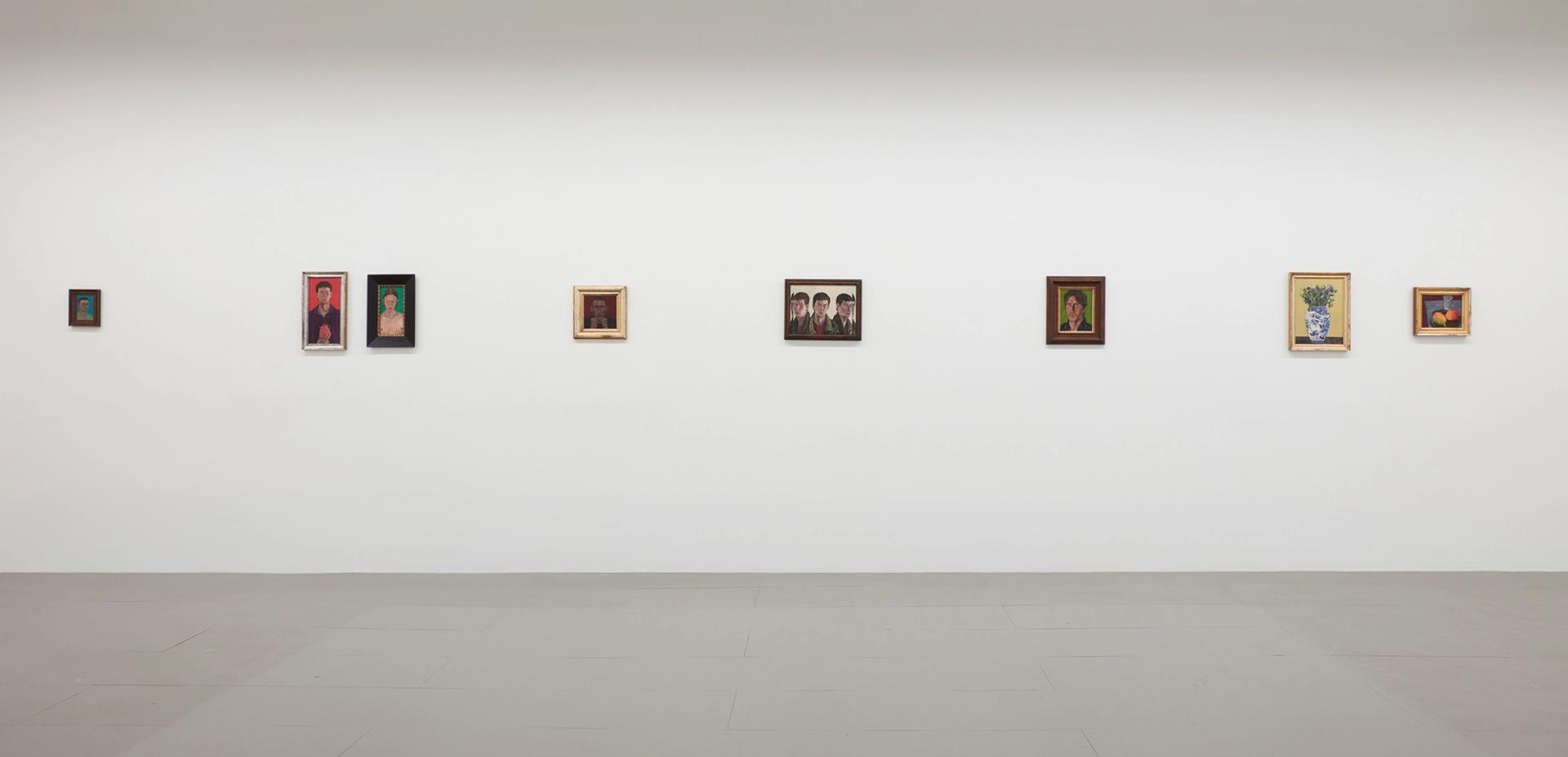
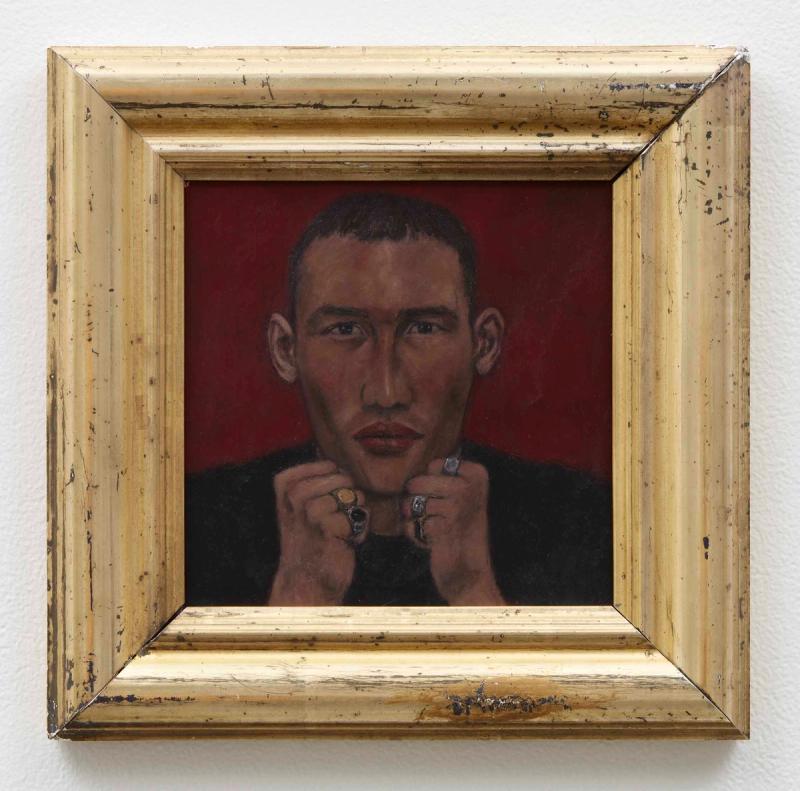
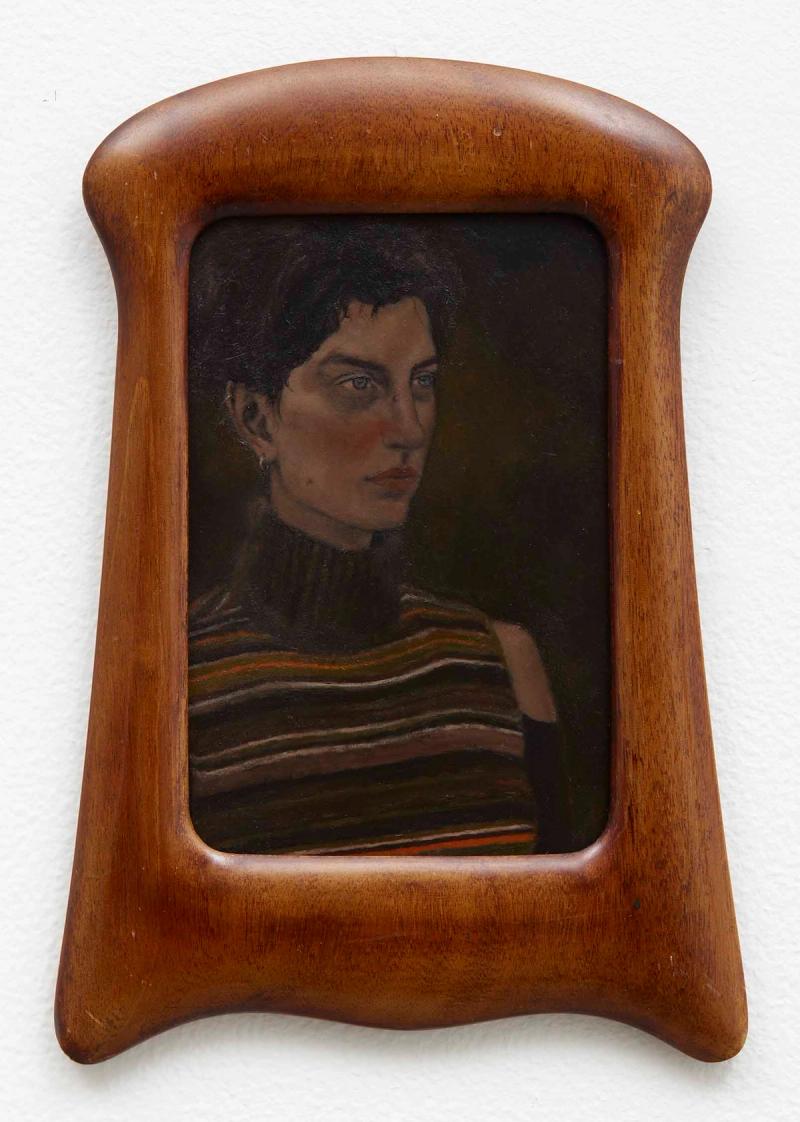
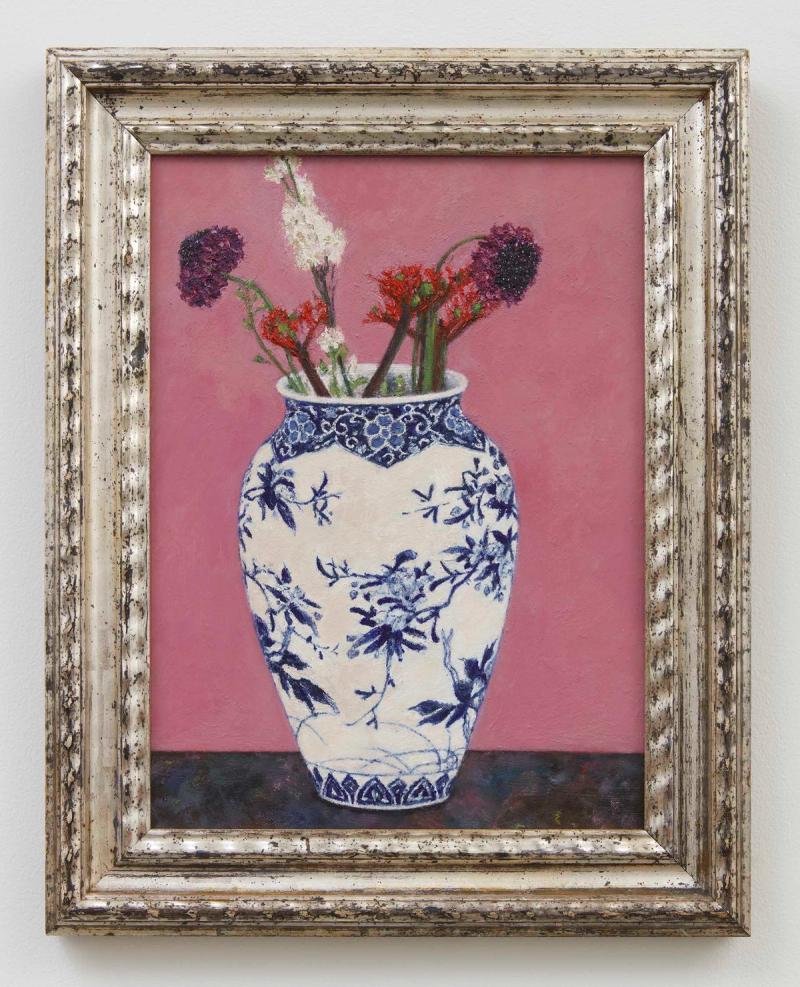
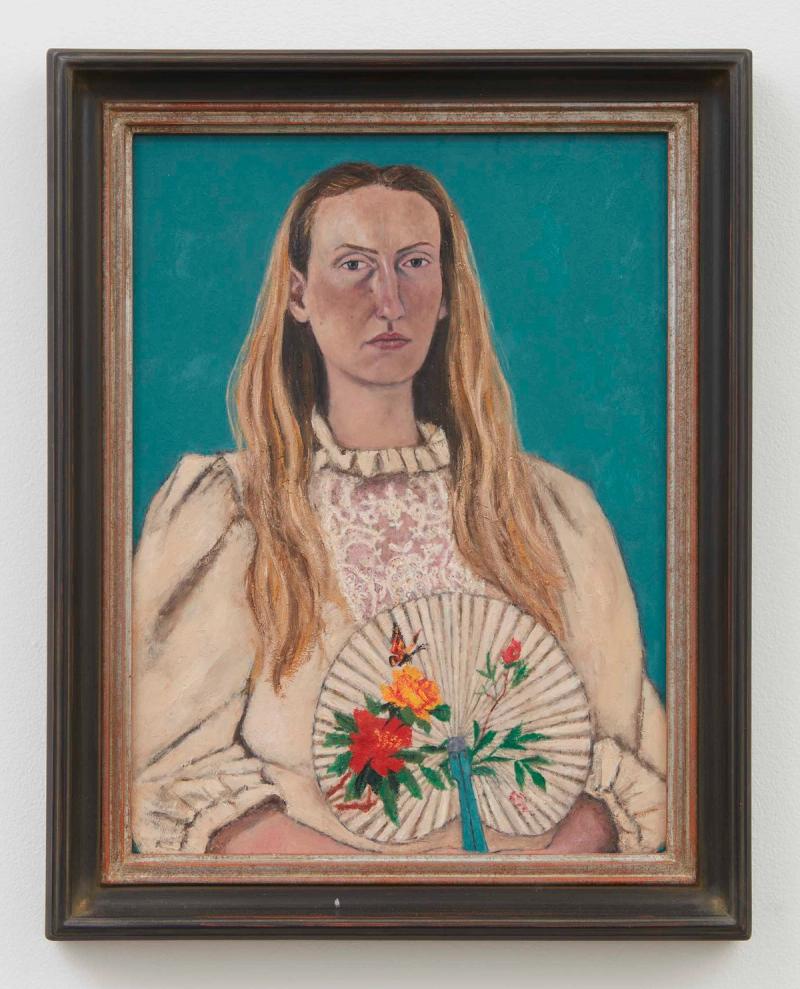
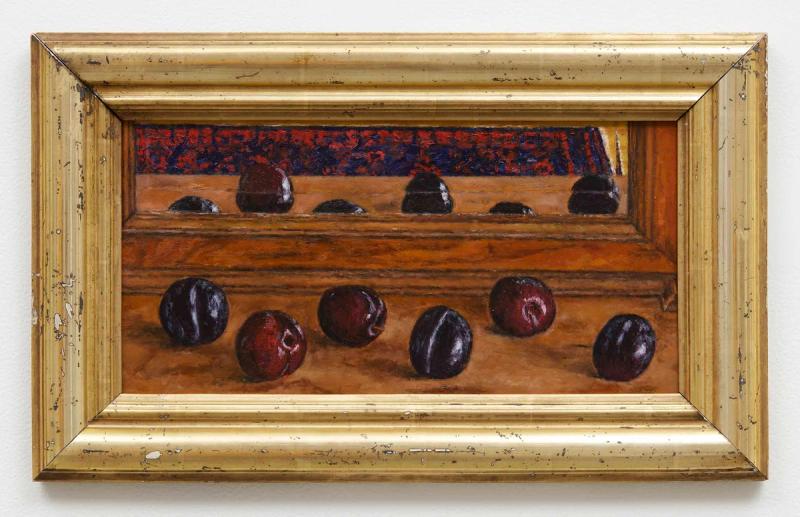
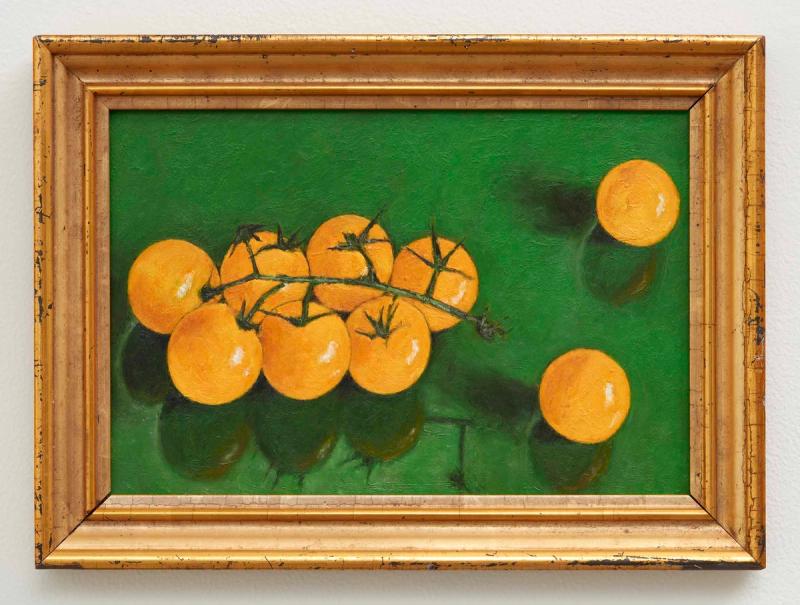
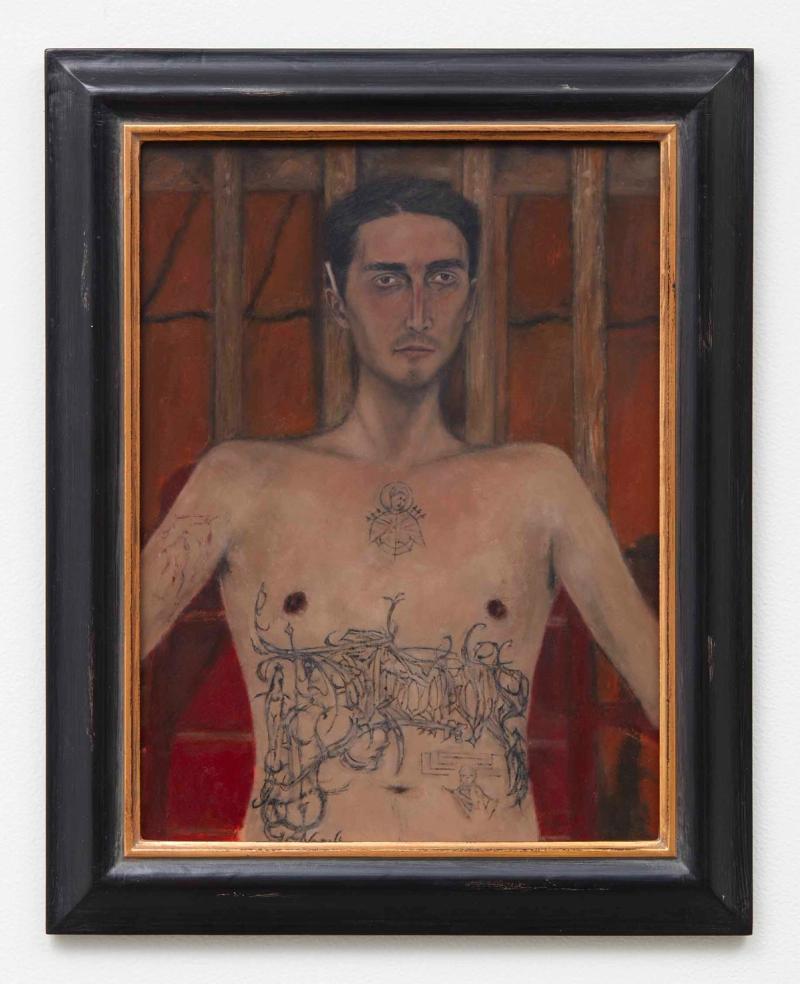
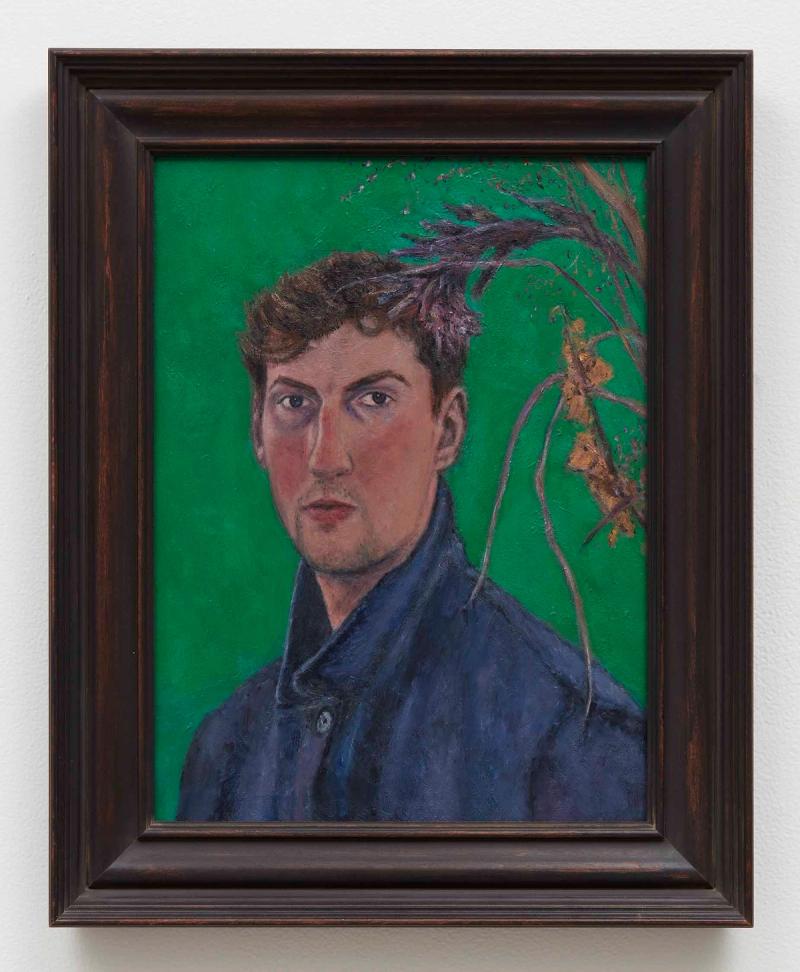
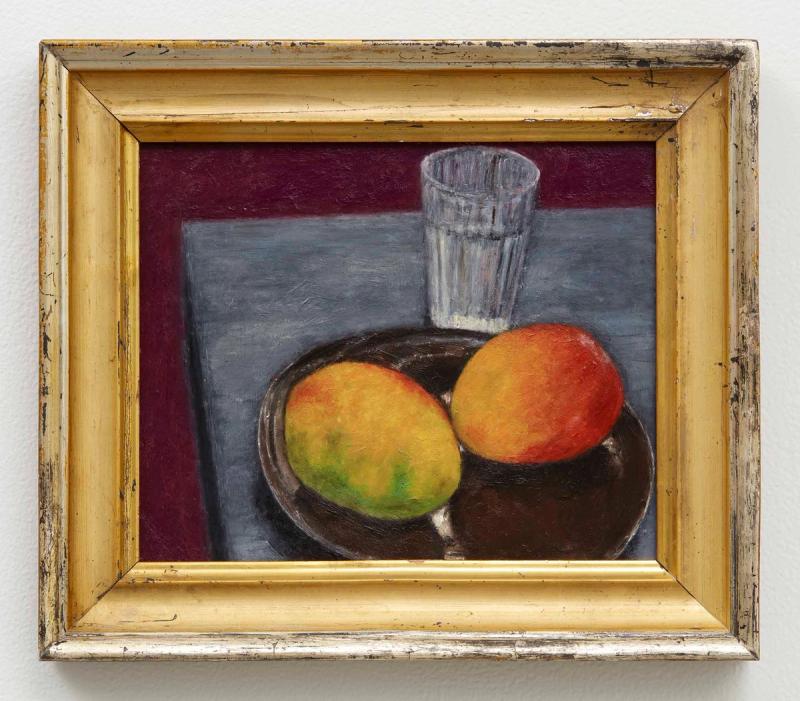
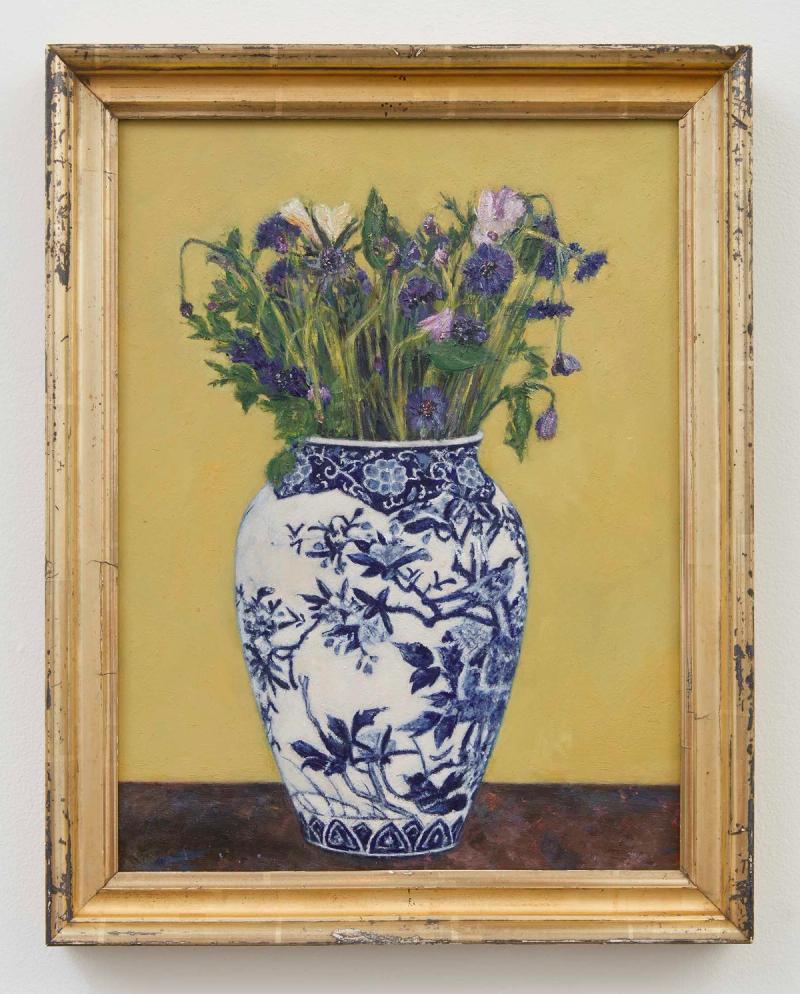
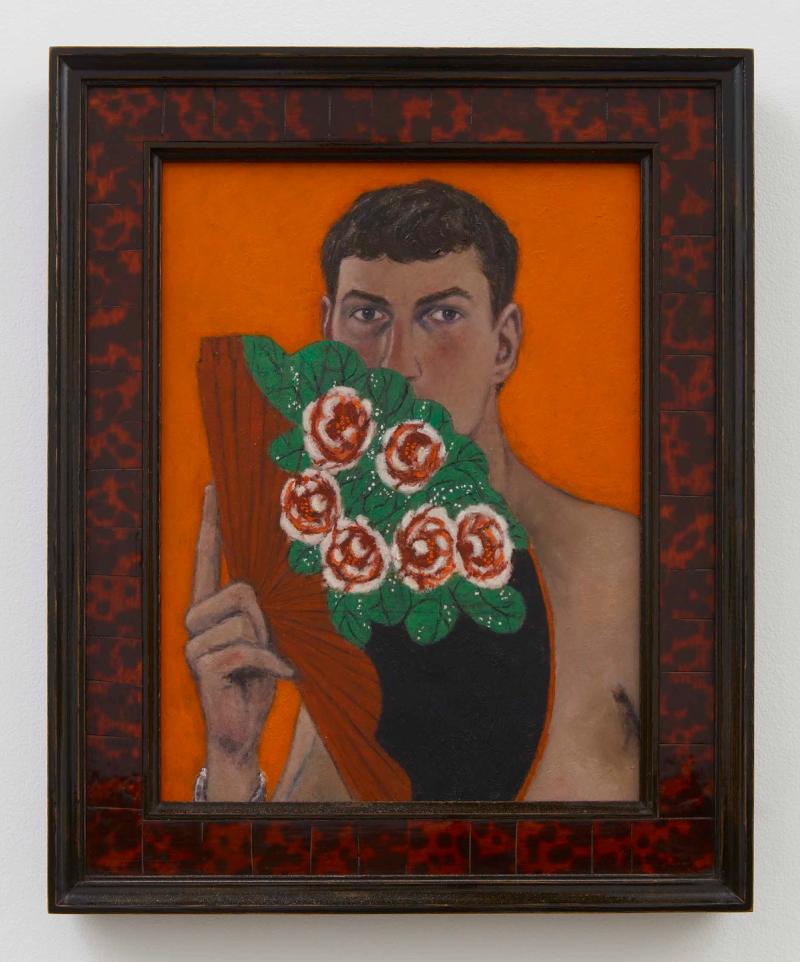
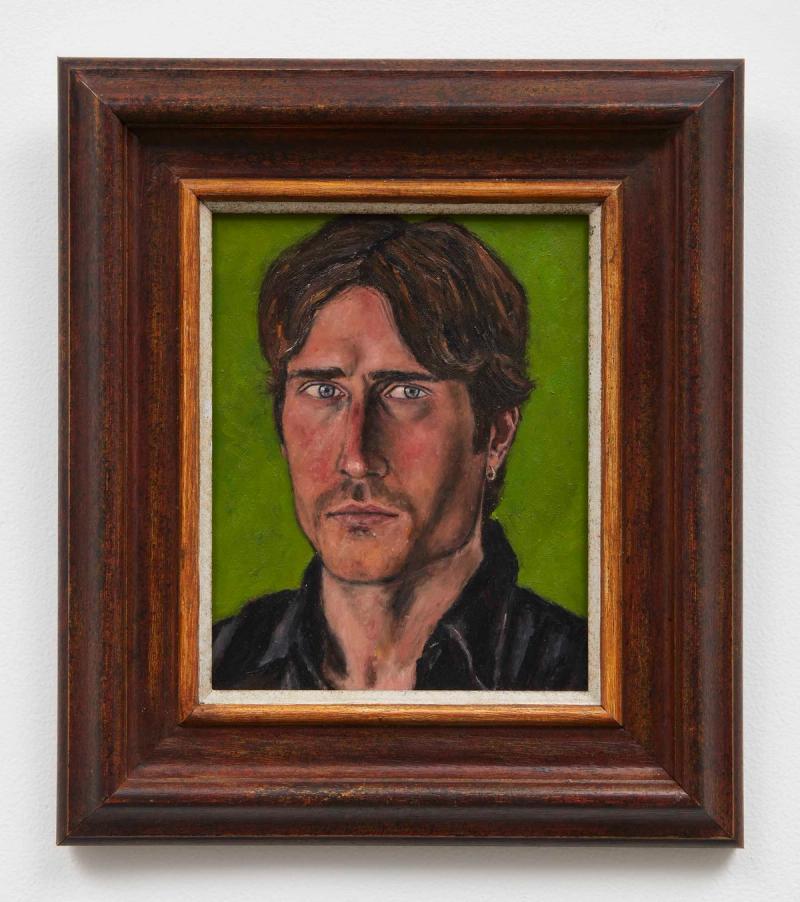
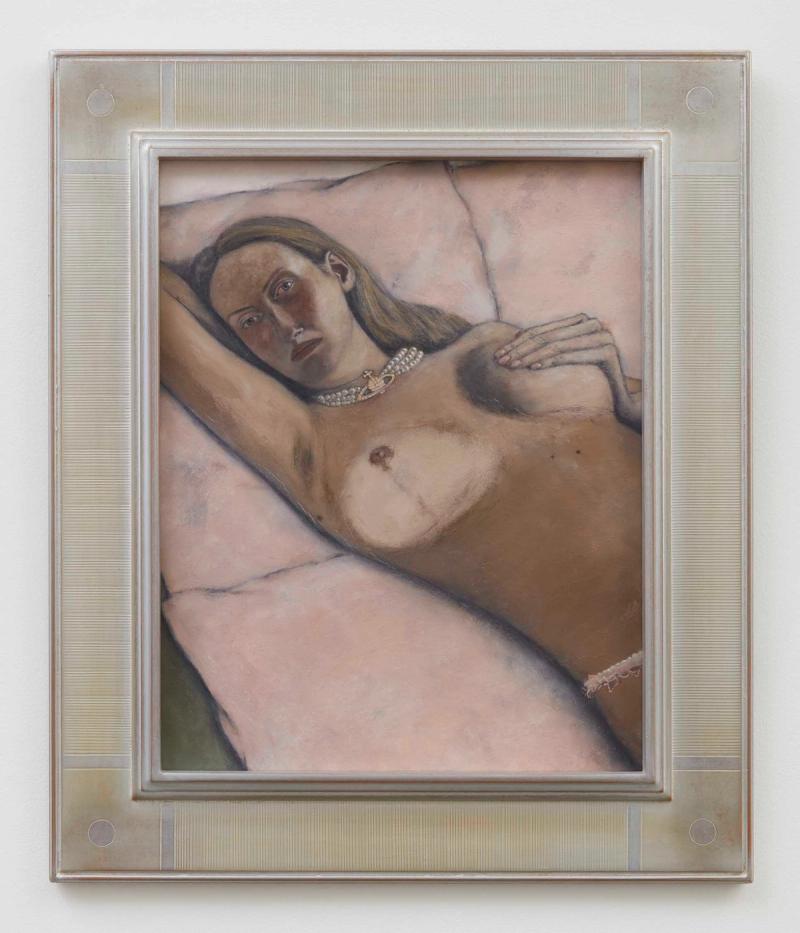
“Time Spent Looking” is Jahn’s first solo show in New York, and it’s the strongest in his quick meteoric career, featuring a number of knockout still lifes on copper plates made by the artist in a blistering cold studio warped by a hypnotic trance. He painted sitters for an hour at a time, over the course of a week, in certain lights of day. There are self-portraits, just like at the beginning: “Self with Fan” shows Jahn in a striking pose, holding a floral paper frond to beat back the heat. You don’t see the mirror, you just see what’s in it.
And Motzstrasse, the avenue stained with dreams of Weimar, isn’t simply in these paintings as a lurking phantom. Jahn has to go to the street, where his father’s antique shop still stands, as a key part of his practice. His framer is on Motzstrasse, and once he gets the painting into the right frame, it's finally done.
–– Nate Freeman
Works
Installation Views